
 Emergency Supplies
 Water Pumps
 Storage & Serving
 Cleaning
 Cast Iron
 Baking Supplies
 Canning
 USA Made
 Amish Made
 Order Catalog

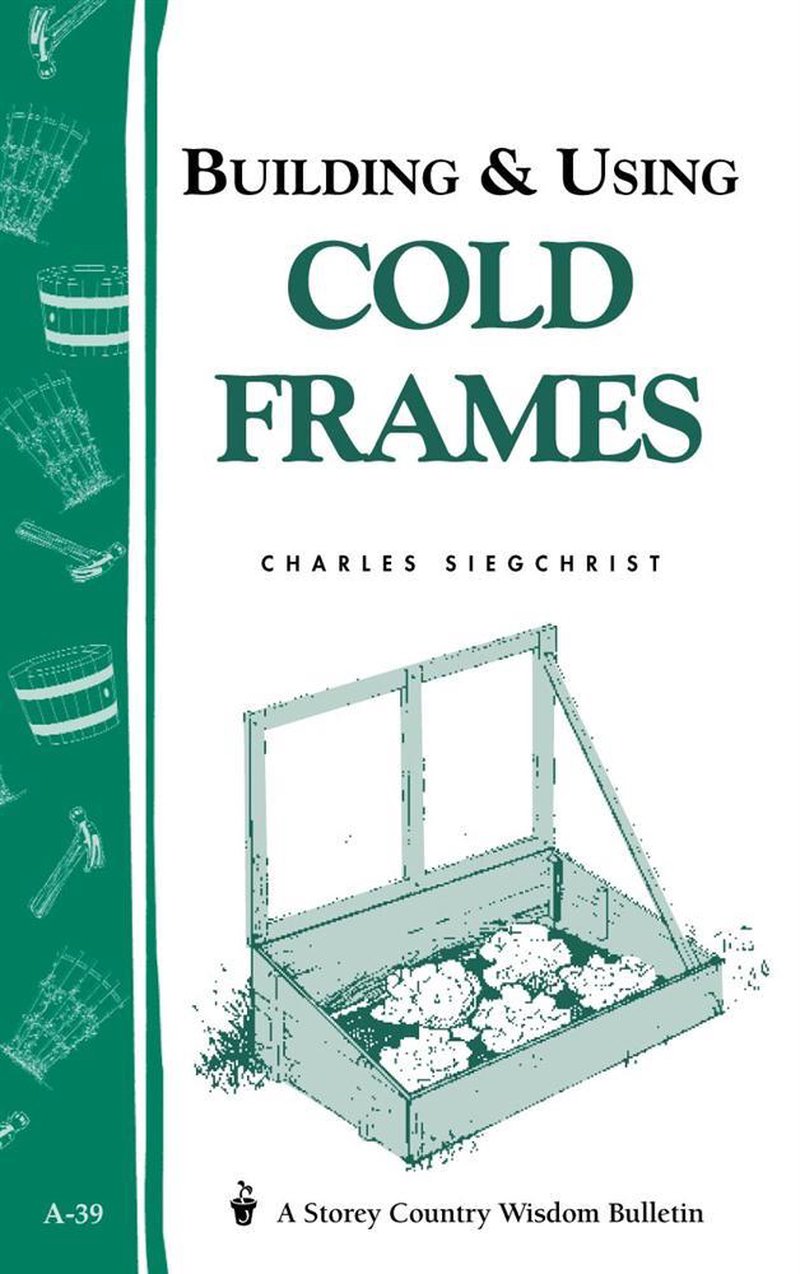
Building and Using Cold Frames Book
SKU: A39
Regular price
$3.99
Sale price
$3.99
Regular price
Easy-to-follow guide for building cold frames to extend your growing season.
Description
Description
Building instructions and planting reference for easy cold frames. A simple way to extend your growing season. 32 pg.
Note: Booklet has a hole in the center for display purposes.
Details
Contents
In order to trap the maximum amounts of heat and light a cold frame should face south. Should this prove impractical for your location a southeasterly exposure is next preferred. A site close to a south-facing wall will get extra heat and protection.The ground on which the frame is to be set should be well drained free of large stones and reasonably level. Placing the cold frame within your regular vegetable patch will save the bother of drawing in soil to fill the bottom. Such a location will also save many steps at transplanting time.Choose the spot in the garden carefully so that the cold frame does not become a hindrance to routine cultivation. A location near perennial plants such as asparagus and rhubarb may serve well. Soil near such crops is usually rich and friable and further the location is out of the way of yearly garden chores such as rototilling.Copyright permission by Storey Communications.
Introduction
Selecting a Site
Foundation
Materials
Preparations
Building the Window
Assembly
Using the Cold Frame
Hotbeds
Heat from Decomposition
Electricity
Soil for the Cold Frame
Through the Seasons
Transplants
Tender Crops
Transplanting Tomatoes
Summer Uses
Greens into Winter
Winter Storage
Future Plans
Excerpt from page 2
Selecting a SiteIn order to trap the maximum amounts of heat and light a cold frame should face south. Should this prove impractical for your location a southeasterly exposure is next preferred. A site close to a south-facing wall will get extra heat and protection.The ground on which the frame is to be set should be well drained free of large stones and reasonably level. Placing the cold frame within your regular vegetable patch will save the bother of drawing in soil to fill the bottom. Such a location will also save many steps at transplanting time.Choose the spot in the garden carefully so that the cold frame does not become a hindrance to routine cultivation. A location near perennial plants such as asparagus and rhubarb may serve well. Soil near such crops is usually rich and friable and further the location is out of the way of yearly garden chores such as rototilling.Copyright permission by Storey Communications.
Reviews