
 Emergency Supplies
 Water Pumps
 Storage & Serving
 Cleaning
 Cast Iron
 Baking Supplies
 Canning
 USA Made
 Amish Made
 Order Catalog

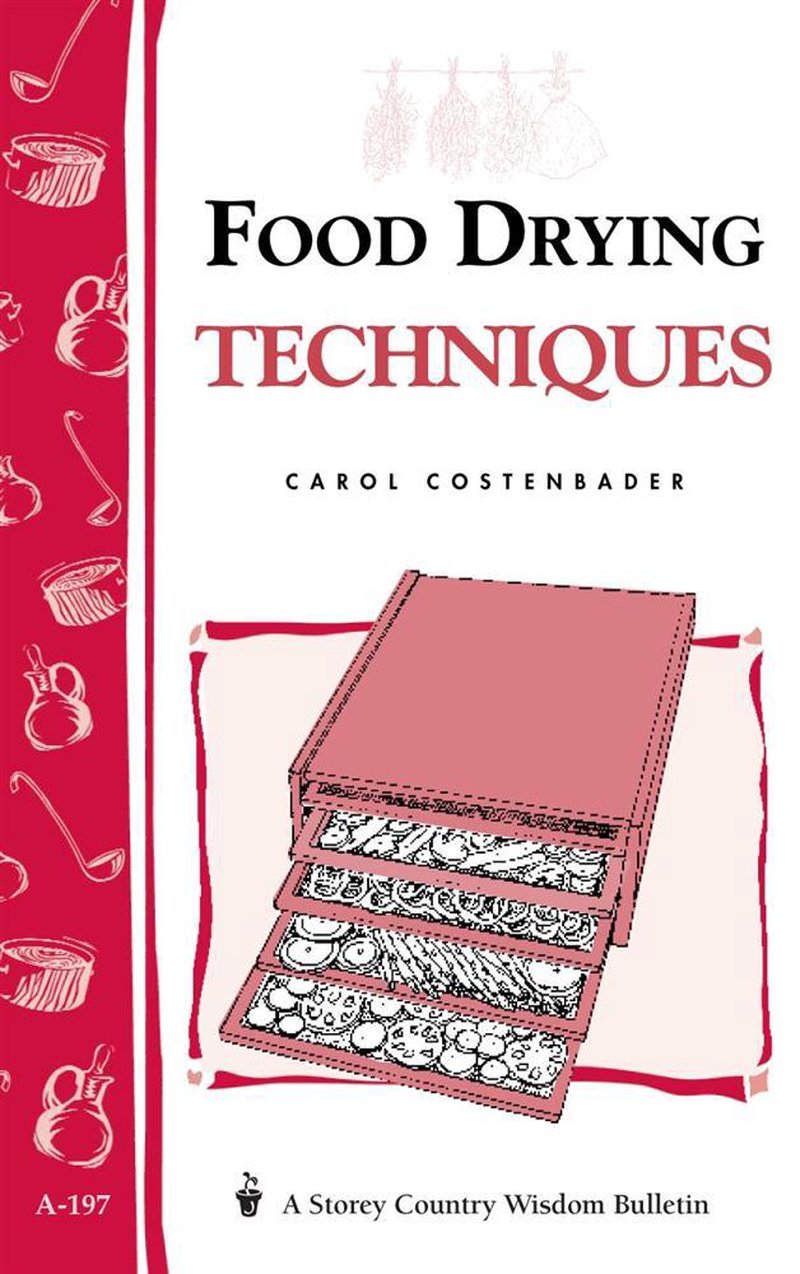
Food Drying Techniques Book
SKU: A197
Regular price
$3.99
Sale price
$3.99
Regular price
Comprehensive guide to drying, storing, and rehydrating fruits and veggies.
Description
Description
Covers pre-treating fruits and vegetables, drying methods, storing, and rehydrating for use in included recipes. Also includes handy chart with specific instructions for each common fruit or vegetable recommended for drying. 32 pg.
Note: Booklet has a hole in the center for display purposes.
Details
Contents
Drying Food
Food Preparation for Drying
Blanching
Other Preparations for Drying
Four Types of Drying
Air-Drying
Sun-Drying
Dehydrator
Oven-Drying
Post-Drying Methods
Pasteurizing
Packing and Storing
Rehydrating
Fruit Leathers
Puree
Drying Herbs
Harvesting and Air-Drying Herbs
Oven-Dried Herbs
Drying Herbs in the Microwave
Drying Meats
Drying Beef
Recipes
Excerpt from page 5-6 - Air-Drying
The process of air-drying is very similar to sun-drying. Puffs of dry air circulate around the food, absorb the moisture, and carry it away. Keep the food out of direct sun to prevent loss of color.
Try air-drying steam-blanched green beans by stringing them on a cotton thread and hanging them under the eaves of the house or porch or in a well-ventilated attic. Depending on the conditions, in two or three days you will have dried, pliable "leather britches", great for adding to soups. Bring the beans inside at night to prevent dew from collecting on them. Keep them out of direct sun: It will make them lose all color.
To dry mushrooms, wipe them clean, string using a needle and thread, and hang in an airy location. Or you can place clean mushrooms on several thicknesses of newspaper; turn them several times as the day progresses, and change the newspapers as moisture is absorbed. Place the mushrooms in a dry, airy spot (in direct sun if you wish, but don't forget to bring them in at night.) In one or two days the mushrooms will be almost brittle.
After the drying process, both the green beans and the mushrooms must be heated in a 175 degree oven for 30 minutes to destroy insect eggs. Condition the produce (see Post-Drying Methods, page 9) and then store in a cool, dry place for up to six months.
"Copyright permission by Storey Communications"
Drying Food
Food Preparation for Drying
Blanching
Other Preparations for Drying
Four Types of Drying
Air-Drying
Sun-Drying
Dehydrator
Oven-Drying
Post-Drying Methods
Pasteurizing
Packing and Storing
Rehydrating
Fruit Leathers
Puree
Drying Herbs
Harvesting and Air-Drying Herbs
Oven-Dried Herbs
Drying Herbs in the Microwave
Drying Meats
Drying Beef
Recipes
Excerpt from page 5-6 - Air-Drying
The process of air-drying is very similar to sun-drying. Puffs of dry air circulate around the food, absorb the moisture, and carry it away. Keep the food out of direct sun to prevent loss of color.
Try air-drying steam-blanched green beans by stringing them on a cotton thread and hanging them under the eaves of the house or porch or in a well-ventilated attic. Depending on the conditions, in two or three days you will have dried, pliable "leather britches", great for adding to soups. Bring the beans inside at night to prevent dew from collecting on them. Keep them out of direct sun: It will make them lose all color.
To dry mushrooms, wipe them clean, string using a needle and thread, and hang in an airy location. Or you can place clean mushrooms on several thicknesses of newspaper; turn them several times as the day progresses, and change the newspapers as moisture is absorbed. Place the mushrooms in a dry, airy spot (in direct sun if you wish, but don't forget to bring them in at night.) In one or two days the mushrooms will be almost brittle.
After the drying process, both the green beans and the mushrooms must be heated in a 175 degree oven for 30 minutes to destroy insect eggs. Condition the produce (see Post-Drying Methods, page 9) and then store in a cool, dry place for up to six months.
"Copyright permission by Storey Communications"
Reviews