
 Emergency Supplies
 Water Pumps
 Storage & Serving
 Cleaning
 Cast Iron
 Baking Supplies
 Canning
 USA Made
 Amish Made
 Order Catalog

Week-by-Week Vegetable Gardener's Handbook
SKU: 1159510
Comprehensive week-by-week guide to planning and growing your organic vegetable garden.
Description
Description


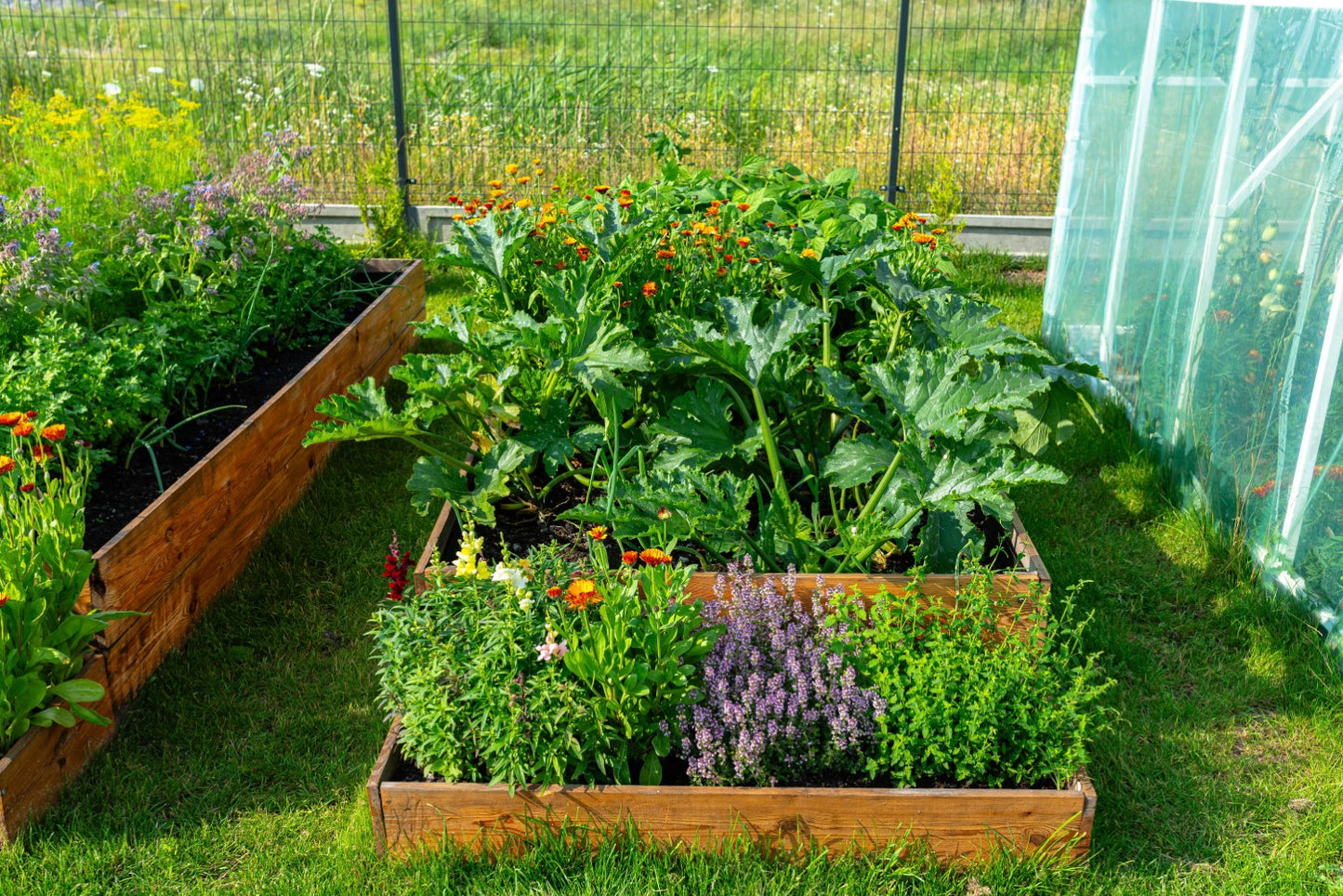
Product Highlights
- Daily and weekly to-do lists
- Works for EVERY gardening zone
- Week-by-week plans based on your area's last frost date
- Customized gardening journal
- Helpful resources list and index
- Kujawski and Kujawski, spiral-bound, 7 1/2"x9", 199 pp.
Details
Introduction
Getting Started
From the Ground Up
Garden Planning Week By Week
Food for Thought & Winter
Resources
Index
Page 12-13
Succeeding with Succession
Crop succession is one scheme that makes a great deal of sense. One method of succession planting involves sowing multiple crops of a vegetable that has a short growing season. In other words, after you harvest early-planted radishes or spinach, make another planting of the same vegetable in that space. Crop succession could also be done by sequencing early-,mid-season, and late-season crops in the same garden space. As an example of such a sequence, plant radish or leaf lettuce as the early-season crop, follow its harvest with a planting of summer squash for the mid-season or summer crop, and then plant greens or root crops for the late-season harvest in the same location.
Mix It Up
Intercropping is another planting scheme to make efficient use of space. This method involves planting fast-growing vegetables among slow growers. Radishes and carrots sown in the same row is a common example. The radish seedlings come up first, and by the time they are harvested, the carrots are ready to expand into space formerly occupied by the radishes. Intercropping can also be done by alternating rows of fast-growing vegetables with slow growers. The fast grower completes its growth cycle at the time the slow grower needs space to expand into. We've planted rows of lettuce between rows of tomato plants, for example.