
 Emergency Supplies
 Water Pumps
 Storage & Serving
 Cleaning
 Cast Iron
 Baking Supplies
 Canning
 USA Made
 Amish Made
 Order Catalog

How Do You Know You Have Mexican Bean Beetles?
Anyone who has grown green beans east of the Rockies has probably encountered the dreaded Mexican Bean Beetle.
It starts in mid-Spring, when you begin to notice holes in your bean leaves. It doesn’t look too bad, so you just keep an eye on it.
Before long you begin to find funny little yellow critters on the undersides of the leaves. With each day they get bigger, and fatter, and your bean leaves are looking more and more lacey.
Then you begin to spot what look like yellow, sometimes orange-ish ladybugs on the plants. Don’t be fooled; they are not your friend.
Although they are a relative of the red, polka-dotted insect we all welcome in our garden, Mexican Bean Beetles aren’t beneficial like their cousin the ladybug. These guys are out to destroy your beans. And believe me, if left unchecked you can pretty much guarantee that you won’t get a harvest.
The first year I ever planted green beans, I don’t think I got a single bean that wasn’t chewed to pieces. It was so frustrating not knowing what to do to protect my crop naturally!
And then one day I was at a yard sale, and I found a bunch of canning jars for a good deal. As I went to pay the kind, elderly woman who lived in the home, I asked her if she did much canning. “I used to,” she said, “but not much anymore.” I wondered if she ever grew green beans, and she said she did. Curious if she’d had the same problems I’d had with them, I asked her what she did to keep the bugs off of her plants. She smiled and shared, “I’ve always sprinkled wood ashes over my beans, and haven’t had any trouble with pests.”
Wood ashes! We have plenty of those from our wood stove, I thought.
The next Spring, I tried green beans again. Sure enough, about mid-May I began seeing those tell-tale holes and the tiny yellow larvae of my garden enemy.
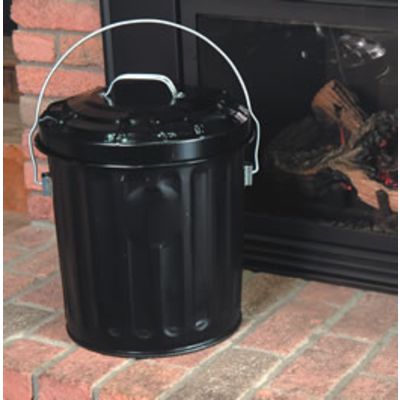
I retrieved the ash bucket we’d saved from winter woodstove cleanings, and liberally sprinkled those wood ashes all over the tops of my bean plants. I didn’t measure anything, just sprinkled until all of the leaves had a light dusting of grey.
Every time I started to see signs of those beetles, I’d sprinkle more ashes. In actuality, I only had to do it three times that growing season. And do you know what? I had the absolute BEST harvest (with a bumper crop!) that year. I had more beans than I knew what to do with. Beautifully unchewed beans.
Come to find out, wood ashes add potassium to the soil, which beans absolutely love. So not only are you repelling a nasty garden pest when you sprinkle wood ashes on your crop, you’re also feeding your plants and helping them to be even stronger and healthier.
Since learning this tip, I’ve always had great success with my beans. I’ve learned that it also works on cowpeas and other beans.
A couple of other tips to keep in mind:
- Hardwood ashes work the best. Only use wood ashes.
- Sprinkle on a day when you aren’t expecting rain for a while. The rain will wash the ashes right off.
- Don’t sprinkle the ashes on wet plants. Wait until they’re completely dry.
- Hand picking the bean beetles is also very important. The larvae like to hang out on the undersides of the leaves, so once you start noticing holes it’s time to look underneath the leaves and pick off or squish any critters you find. I usually squish them between two leaves, to reduce the “eww” factor; it’s not quite as gross as using your finger.
You might also carry a container of water, and throw the larvae or beetles into the container to drown; or feed them to your chickens.
- It’s more important to coat the leaves than to sprinkle around the plants, so focus on that. Mexican Bean Beetles don’t like the taste of the wood ashes.
- Repeat the process several times throughout the growing season, especially any time you begin to notice more holes in your plants or signs of the bugs.
If you don’t have access to wood ashes, you might also try Diatomaceous Earth (DE), though I can’t speak for its success from experience as I’ve never tried it personally. I would not under any circumstances recommend using pesticide dusts, as they are toxic to humans and bees.
Hopefully you’ll find this information early enough in the season to protect your bean crop and have a great harvest. If not… there’s always next year!
Do you have a different, natural way to repel Mexican Bean Beetles from your garden? I’d love to know what methods you’ve found to work wonders!


0 Comments