
 Emergency Supplies
 Water Pumps
 Storage & Serving
 Cleaning
 Cast Iron
 Baking Supplies
 Canning
 USA Made
 Amish Made
 Order Catalog

Should I get a cow or a goat? That’s one of many questions I never would have believed I’d be asking myself.
Growing up in the suburbs, I didn’t even have a dog. High school me had a bizarre obsession with collecting “cow things” like shirts, key chains, and black and white sheets. It didn’t make a whole lot of sense, and I wouldn’t even have said it was a goal of mine…just something I was drawn to collecting.
My husband, on the other hand, told me that he had always wanted goats so he could call out to them in the backyard. “Hey Good Goats!” he wanted to shout.
Of course, I thought he was crazy. And I’m sure he thought my obsession with cows was a fleeting phase that would fade as quickly as teased hair in the 80s.
As a young adult, I got into gardening, and when I got married and had a child with gluten issues, I got more into cooking and learning about ingredients. I became first more aware of where my food came from, and then more interested in getting my food closer to the source. Whether it was buying eggs and beef from a local farmer, or eating veggies and fruit in season (like not buying strawberries in February, or asparagus past June).
I got to the point where I wanted chickens both for eggs and for my garden, but where I lived, they weren’t allowed. Getting eggs from a nearby farmer was the closest I could get, and had we lived there longer, I believe my next step would have been petitioning city counsel or something like that.
About eight years ago, my husband got transferred through work from the suburbs at one end of the state to the country at the other corner of the state. You’ve never seen someone get a flock of chickens so fast. We hadn’t even unpacked boxes, and I was headed to pick up an established flock from a friend of a friend who was moving and couldn’t keep them.
They say that chickens are the homesteading gateway animal, and that couldn’t be more true.
The conversation about a dairy animal quickly followed. Despite my teenage obsession with cows, the thought of buying such a huge animal was so intimidating to me. Goats, on the other hand, seemed far more doable. I didn’t know what I was doing, so I read everything I could, talked to anyone who knew anything about goats, and went in a little blind to the process.
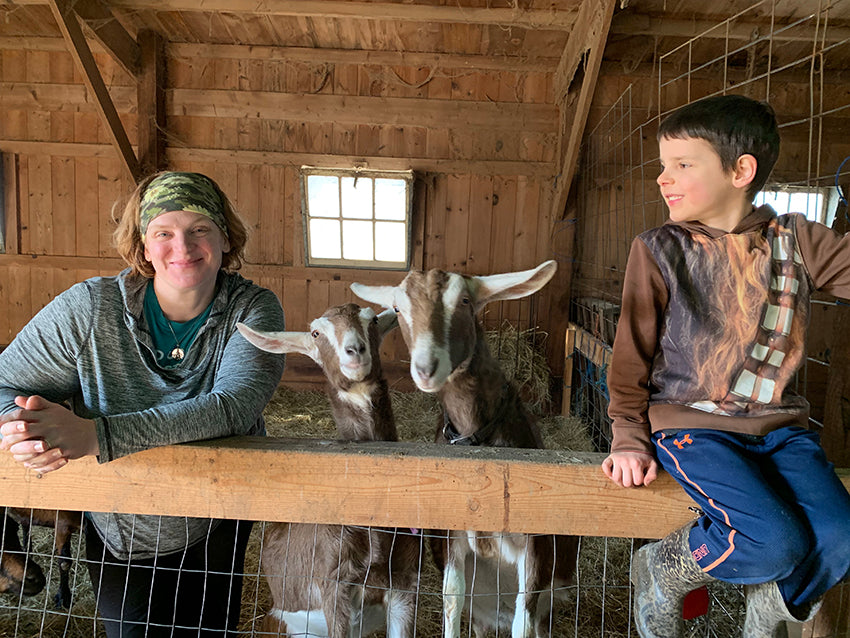
Starting with goats was challenging, and amazing. Goats, despite popular belief, do NOT eat anything. They have quite sensitive systems and need minerals, pest management, clean, dry hay, and good boundaries. The joke is that if it won’t hold water, it won’t hold goats. I will say, as long as they have good hay and bramble to eat, they’ll mostly stay put, but if they believe there’s better stuff to eat on the other side of the fence, that’s where you’ll find them.
With my growing goat herd, people would ask why I didn’t just get a cow. My answer was always the same…the poop. I didn’t want anything to do with cow manure. Goats were funny and personable, and made neat little pellets. Of course, with the size of my family, I had to milk five goats a day to get the amount of milk I wanted, but that was worth it.
Never did I want to have a cow. Spoiler alert. That conviction only lasted about five years. Now I have both goats and cows, and I wouldn’t have it any other way.
Choosing Between Goats and Cows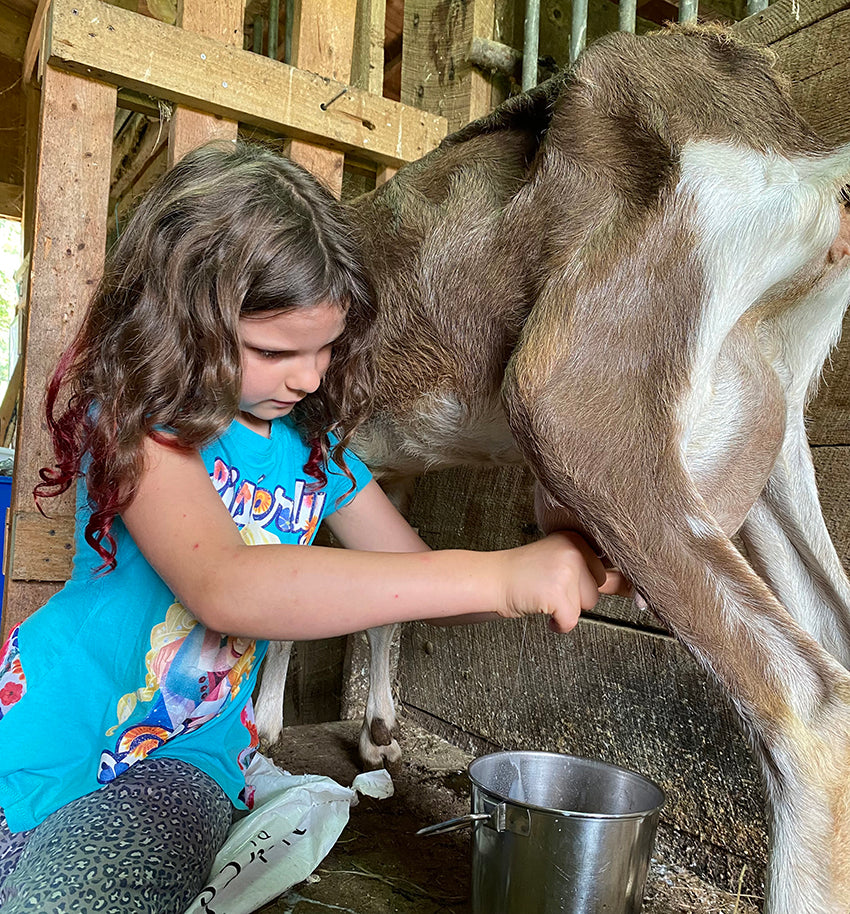
But how do you know which to get? I want to tell you the questions to ask yourself to help you make the right decision for you! By knowing what you want, you can then evaluate your space and feel confident that you’ve made the right choice.
Your Goal
Are you looking to stop buying milk at the store? Battle a dairy insensitivity? Do you want to make your own dairy products like cheese, yogurt, and butter? How many people are in your household? How much dairy do you use in a week already?
In terms of health, many people who can’t tolerate even organic store-bought milk often can do raw milk without the same problems. Even more, they can tolerate goat milk. There are a few reasons for that, but one that is at the top of the list of why people can tolerate goat’s milk when they can’t tolerate cow’s milk is because goat’s milk is naturally A2/A2 milk protein. Also, look at the size of the offspring. A goat often has a six to nine pound baby, much like a human. A cow’s offspring is considerably larger. That means the milk has to sustain a much larger baby. Sometimes that can be too much for a human system to handle. However, raw milk, with it’s natural digestive enzymes and culture, can more easily be digested.
Use of Milk
The next question is what you want to do with your milk. We got goats first and easily made yogurt and simple soft cheese with our milk, that is when the nine of us have any extra milk.
Volume of Milk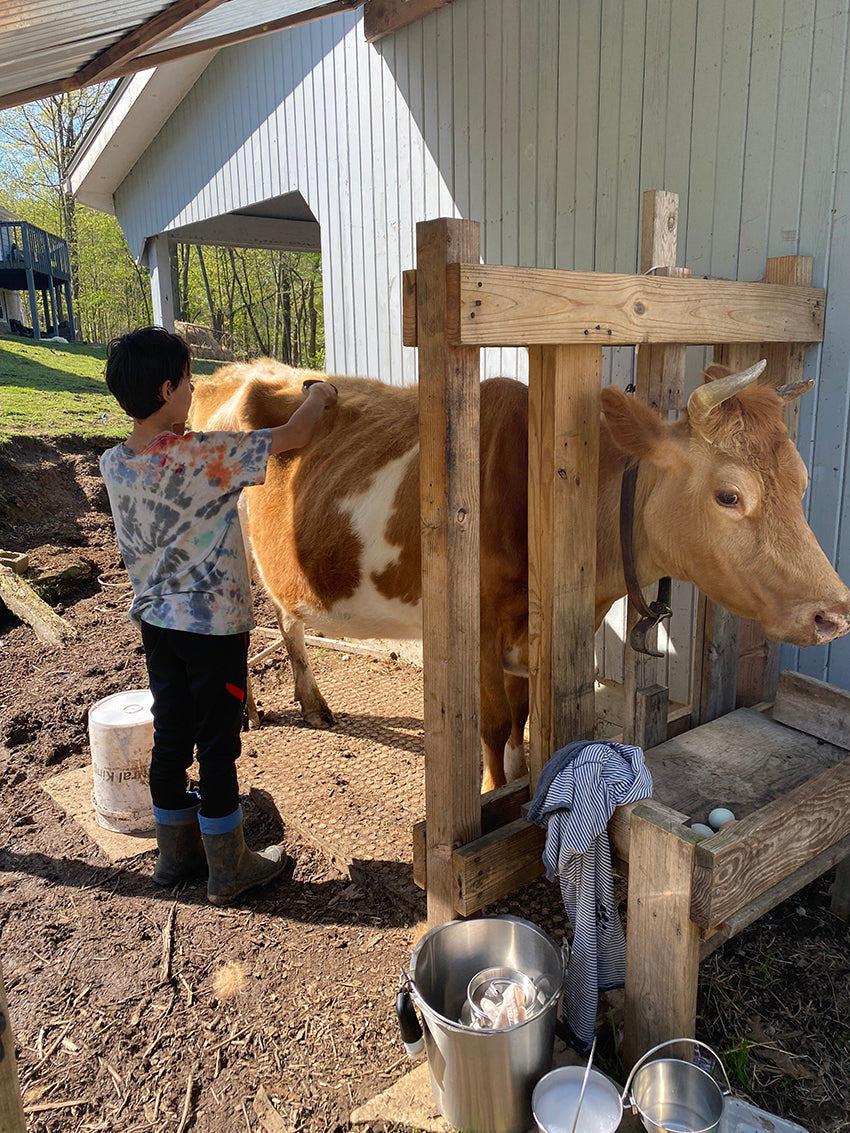
That leads to a question of volume. A good milk goat will give you about a quart of milk a day. Exactly how much depends on the breed, health, diet, and lineage of the goat. Same with cows. A Holstein (the black and white you think of when you think of milk) that’s bred for a high production dairy and gets milked two or even three times a day is a very different situation than a mini Jersey that lives on grass. I can’t speak to every cow out there, but I can tell you my experience. My 100% grass fed guernsey cow, Beauty, is six years old and gives between a gallon and a gallon and a half of milk each day. I only milk once a day and she is out on pasture or hay the rest of the time.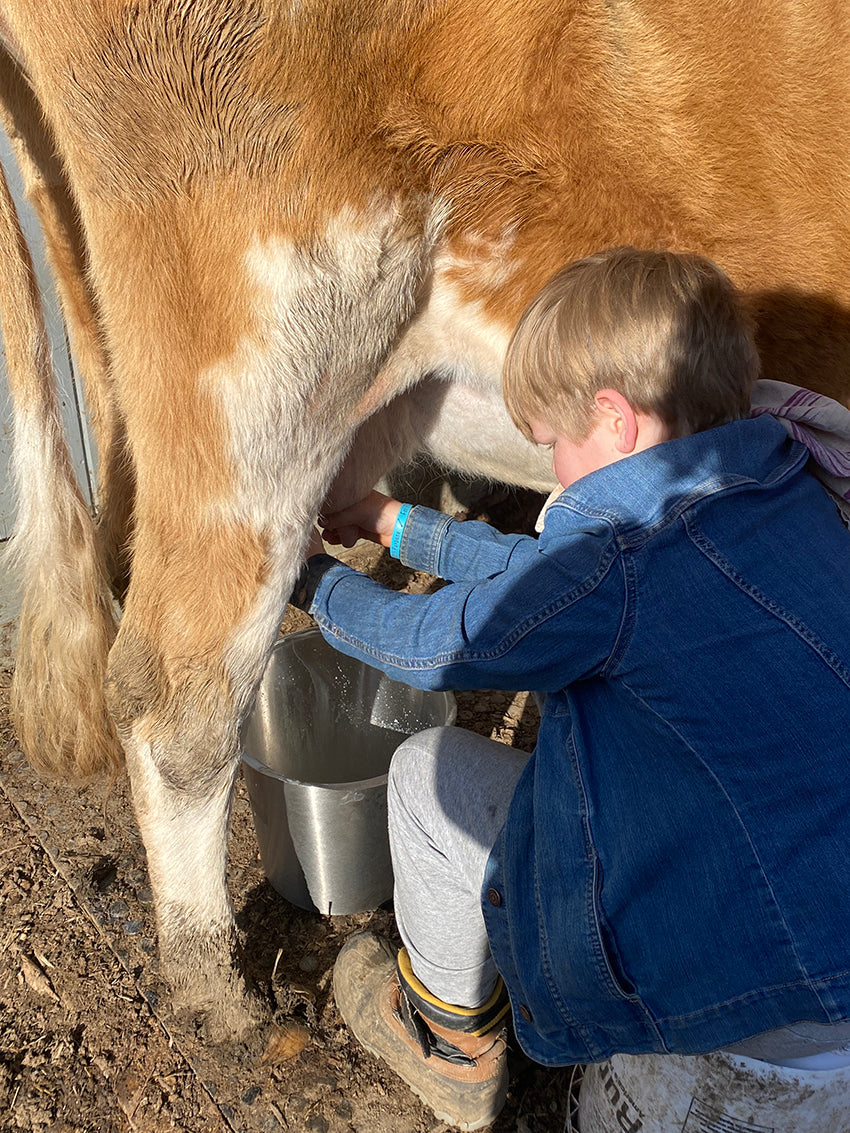
So doing the math, one goat gives me just shy of two gallons of milk a week and my cow gives me over seven gallons a week. For our family of nine, that’s not as crazy of an amount as it would be if there were just two of us, but it’s definitely something to consider. When I was milking five goats a day, I was rarely getting what I would consider a surplus of milk, aka more than we could drink or use in a week.
Excess Milk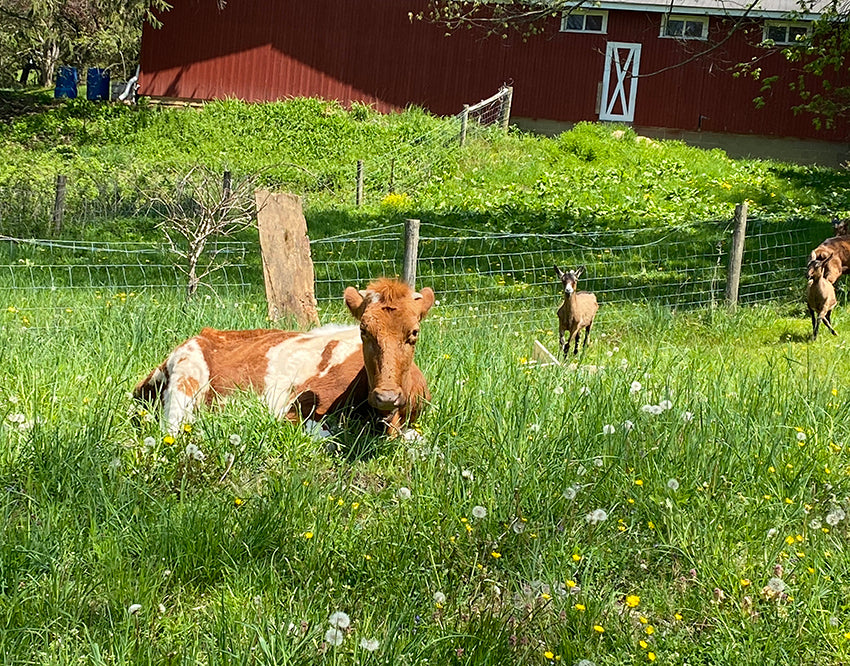
Do you have a plan and a place for excess milk? If you have a cow that’s, on the low side, giving you over seven gallons of milk a week, what are you going to do with it? Most people have to work up to making all of their cheese, yogurt, butter, and ice cream, and even with that, there is going to be a by-product. Whey is leftover after many of these products are made, and while you can use it in smoothies, vegetable ferments, and even garden fertilizing, you’re going to have a lot of it, so what are you going to do with it?
People who see the cow as the center of their homestead will often give skimmed milk, whey, and milk they didn’t quite get to in time (raw milk doesn’t spoil exactly, but it does change, sour, and clabber. Those are still usable milk products, but not lovely to have in your glass at dinner time) to their pigs and chickens. We use skimmed milk and whey to soak or ferment chicken feed in the summer for our meat chickens. That way nothing goes to waste and the whole homestead benefits from the nutrition.
What do you want to do with the milk? Part of knowing what you can do with your milk is knowing what the parts of milk are. In whole milk, you have milk and cream, which can be separated, and then the cream can be further separated into butter and buttermilk. Each part of the milk can be used for different reasons.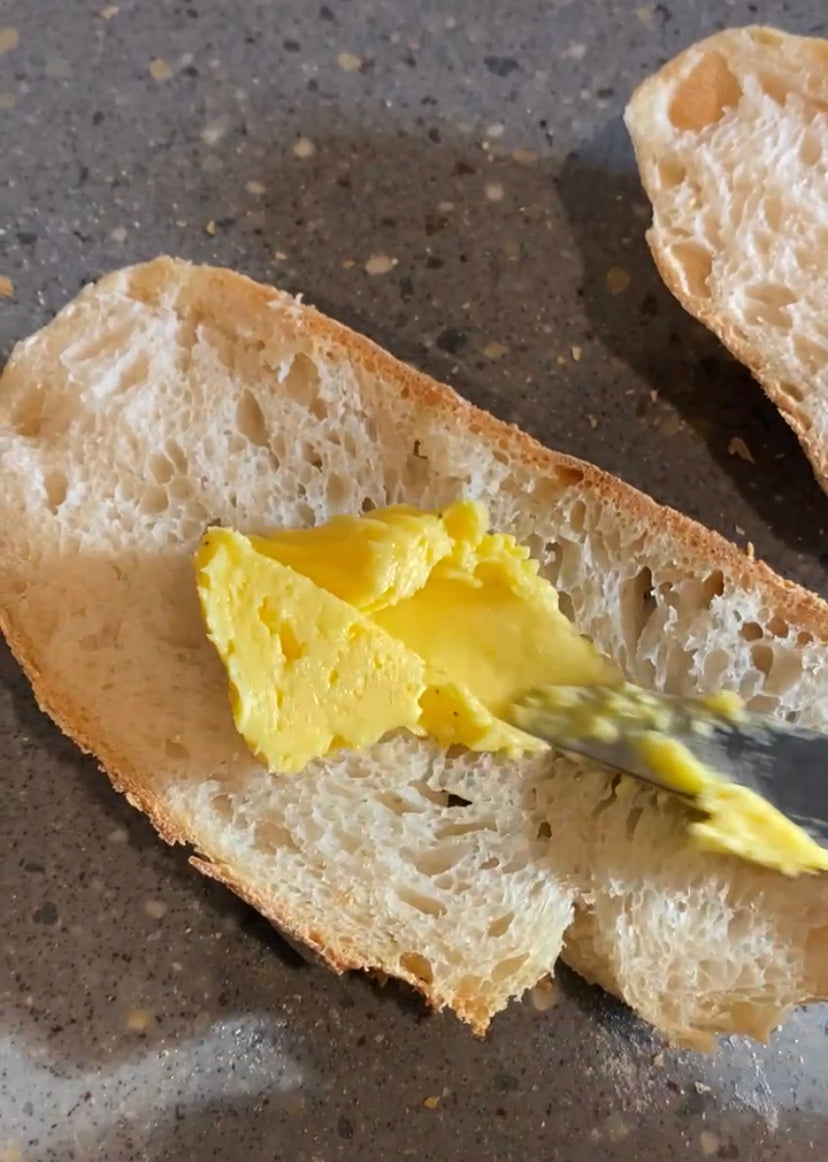
Something like yogurt can be made easily with cow’s milk or goat’s milk as you use the whole milk. Just warming it and adding a starter culture is the start of homemade yogurt!
Because goat’s milk is naturally homogenized, meaning that the cream doesn’t separate and rise to the top like it does for cow’s milk, you would need a mechanical milk separator in order to get the goat cream by itself. That means making things like butter and some cheeses can be more challenging.
With cow’s milk, I can leave the milk in the fridge undisturbed and the cream will rise, thicken, and be able to be scooped off the top of the milk. I would get more if I ran it through a mechanical cream separator, but it’s enough to make butter, ice cream, and have a decadent morning coffee, so I’m happy. Frankly, not much beats fresh butter on top of fresh bread. That was hard earned and greatly enjoyed.
All told, I’m glad I started with goats. The animal and the milk are very manageable, and nothing beats the personality of a goat. Sweet, funny, playful, even a little mischievous. It was a wonderful gateway into the world of dairy and livestock. I knew I couldn’t part with all of my goats even when I got a cow because I would miss them, and I wouldn’t have anyone to eat up all the poison ivy anymore! That said, dropping a spoonful of thick, fresh cream in my morning coffee from my A2/A2 guernsey cow (“Guernsey gold” as my children call it because the beta carotene makes it golden yellow in color) is something that can’t be beat.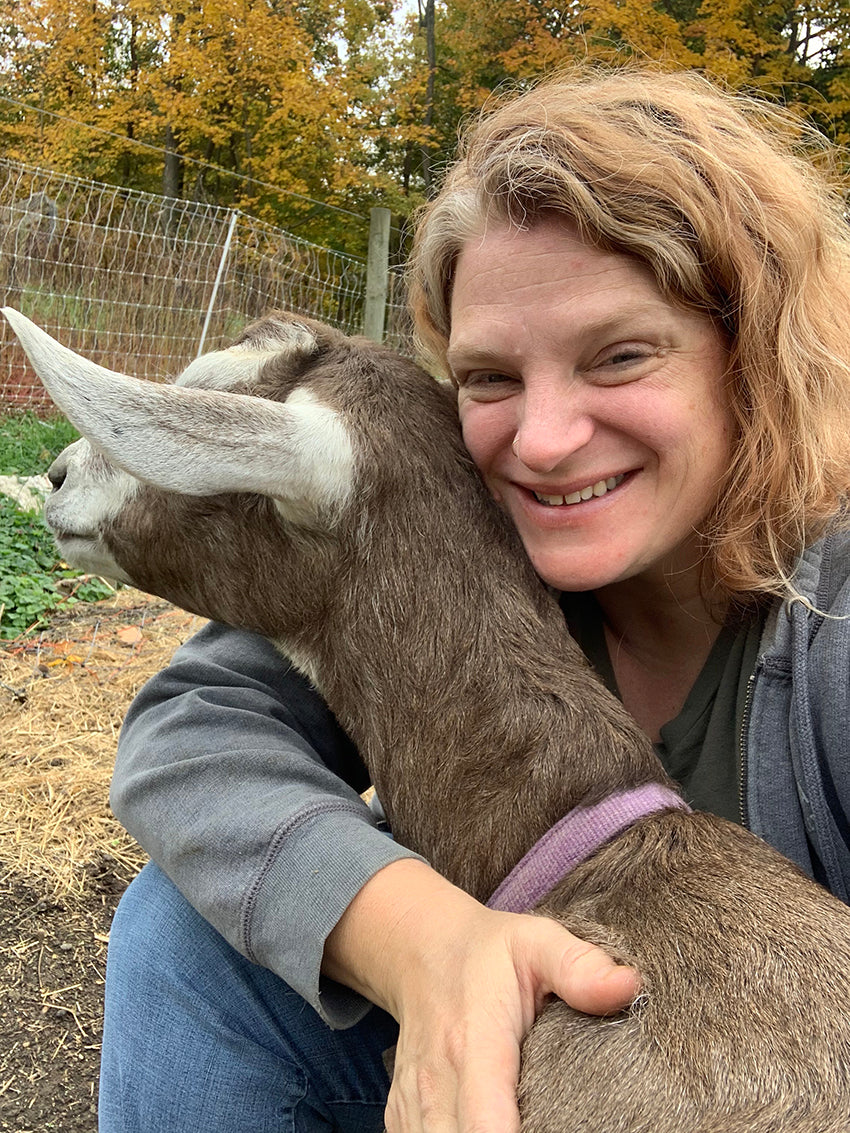
First published in June 2023.


0 Comments