
 Emergency Supplies
 Water Pumps
 Storage & Serving
 Cleaning
 Cast Iron
 Baking Supplies
 Canning
 USA Made
 Amish Made
 Order Catalog

Did you know a typical family of four can reduce its amount of organic waste by an average of 85% with home composting?
When you read about composting, one of the first facts you’ll read is how one-third of all the trash we throw away in the United States is food waste, and 97 percent of these food scraps end up in landfills. Most people think that food waste in land fills isn’t a problem. It’s food, right? And food breaks down and certainly must break down faster than any other material in the landfill… right? Yes, but at an alarmingly slow rate and not without environmental consequences.
Landfills are absent of the most necessary components for decomposition, oxygen. With the absence of oxygen, food continues to break down, but the result is the release of methane, a gas which traps 20 times more heat than carbon dioxide, a common link to global warming.
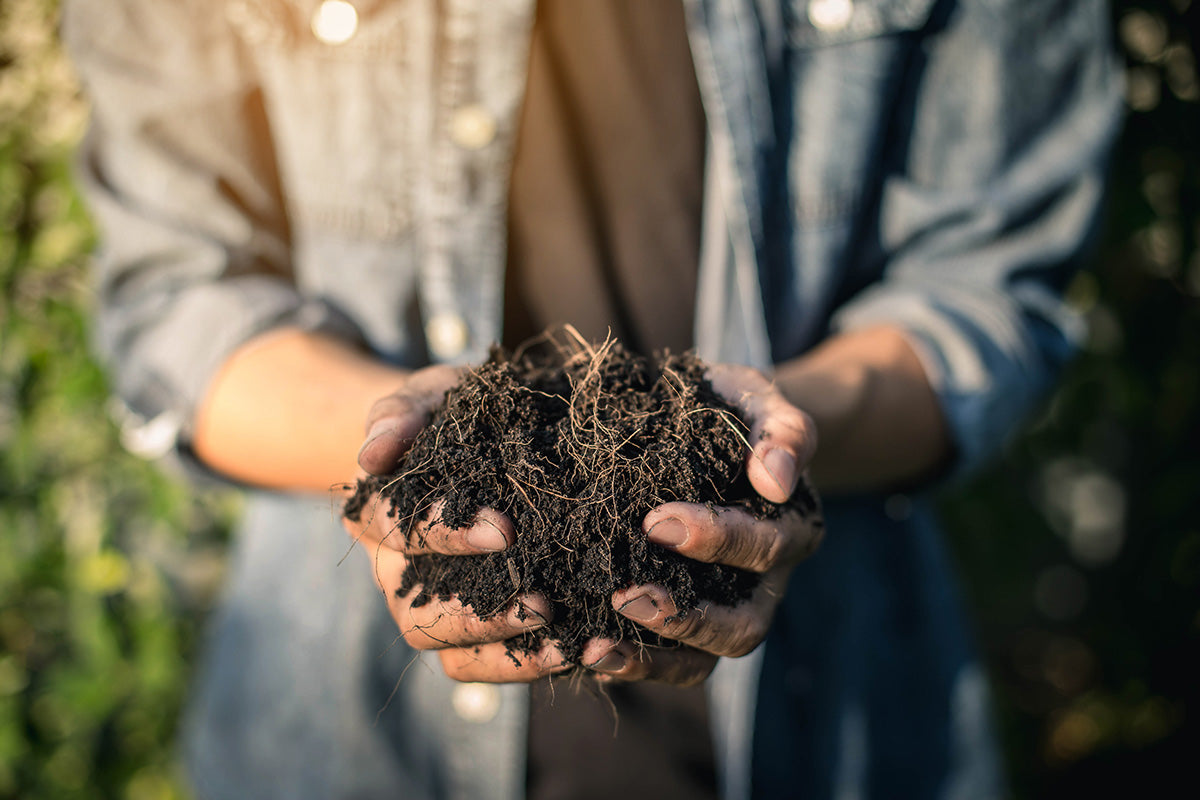
Starting your own compost is simple and has an enormous return. Compost is essentially layers of natural materials that eventually break down to produce a nutrient-rich soil. This natural fertilizer is wonderful for your garden (or even your flowerbeds, if you don’t grow vegetables) as it replenishes nutrients missing from damaged soil. As any gardener will tell you: the success of your garden depends largely on the quality of your dirt. This is true whether you grow vegetables or flowers.
 With more people catching on to growing small gardens and composting, the options of where and how to keep your compost pile have increased dramatically. As I get older, I strive to work smarter, not harder – thus I personally like the compost tumblers because they can be turned with a handle, saving on the back-straining job of turning your compost by hand with a shovel. These devices are also typically plastic and are designed to keep odors away and thus, critters at bay! Unfortunately, they can be expensive for a small gardener, so a good idea is to go in on the expense with collection of other small gardeners and share its bounty.
One trick of the trade is to break down any material that is in large pieces before adding it to your compost pile; it will decompose faster. So in addition to your compost tumbler, a home paper shredder is a plus. This allows you to turn all that alloying junk mail into what gardeners call “brown compost.” The brown components of your compost are the carbon-rich ingredients. In fact, most of the items “about two-thirds” should be brown ingredients.
Green ingredients make up the other part of the compost equation; they are rich in nitrogen. Common green components include grass clippings, yard refuse (old vegetable stalks, last fall’s flower stalks), coffee grounds, barnyard animal manure and fruit and vegetable kitchen waste.
What to AVOID putting in your compost is almost more important than what goes in. Certain substances can be toxic and therefore harmful. Dog, cat, and bird feces are a prime example. Also, avoid any green materials treated with pesticides. Other composting no-no’s:
- Limes
- Meat or fish
- Bones, grease, fat
- Cat litter
- Plastic and laminated paper
- Diseased or rotting plants
- Big stalks or roots (cut or shred them first)
- Treated woods
Use your waste scraps to replenish your land or donate it to a civic group that is helping those in need grow some of their own food. Composting is a responsible, smart decision, no matter how small your garden!


0 Comments