
 Emergency Supplies
 Water Pumps
 Storage & Serving
 Cleaning
 Cast Iron
 Baking Supplies
 Canning
 USA Made
 Amish Made
 Order Catalog

If you’re living in suburban home with a typical small backyard, you’re in luck. That’s because almost any backyard can be turned in a surprisingly productive vegetable garden.
Because backyard gardens face space constraints – namely boundaries with other yards – it behooves you to pack every available square foot with food-producing units. This is called “space efficient” gardening, and there are endless strategies available to make it work.
Space-efficient gardening goes by a number of names: square-foot gardening, intensive gardening, block-style gardening, close-row gardening, etc. The common denominator with all these variations is to eliminate walkways by planting vegetables in rectangular beds or blocks instead of long single rows to maximize productivity. Space-efficient gardening can produce yields between five and fifteen times greater than traditional row-style gardens.
I’m big on what I call “paper gardening,” in which all the infrastructure requirements and plant locations are planned in advance on paper. Advanced planning allows you to understand the needs for each type of fruit or vegetable for sunlight, water, space, and support structures (if any).
Raised Beds
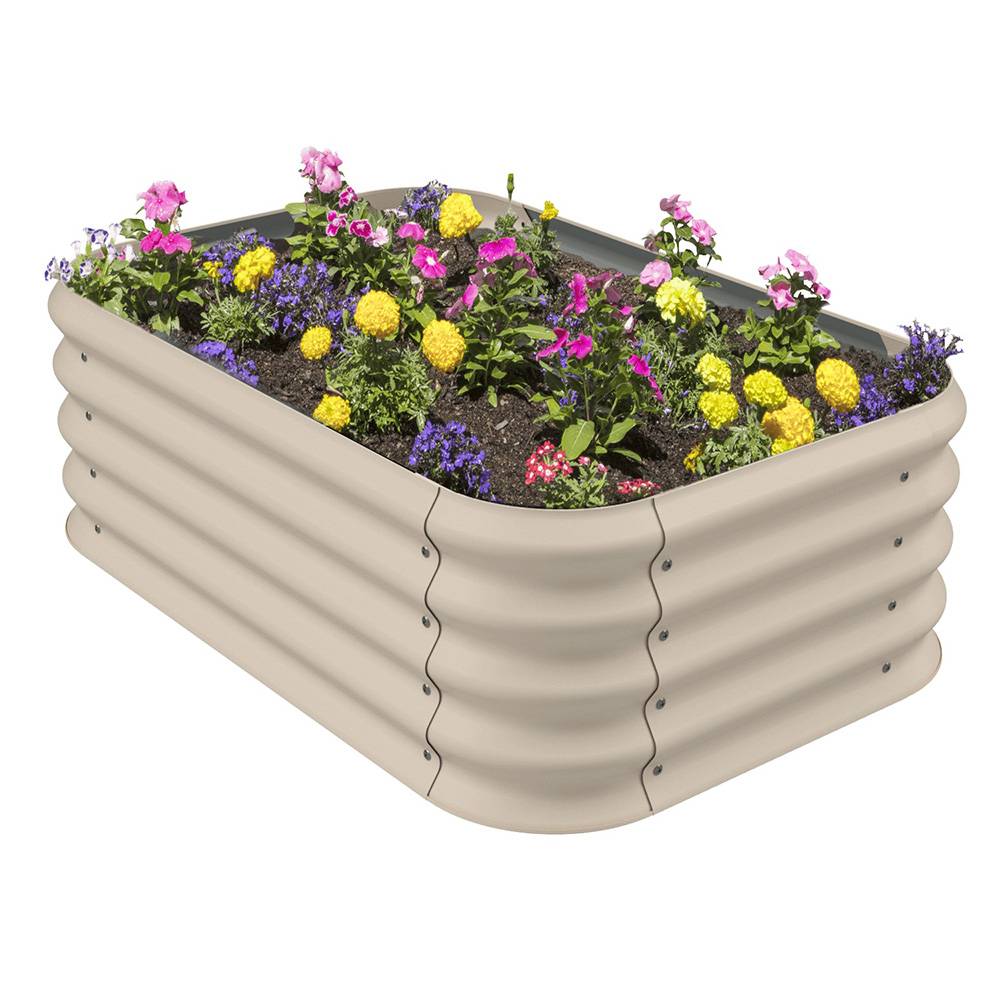
A popular (and often decorative) option for backyard gardens is raised beds. These not only maximize the use of space, but can even increase the length of the growing season, since raised soil warms quicker in the spring than ground soil. Not incidentally, raised beds are also easier on the back and knees because it’s possible to sit comfortably on a crate or low seat while planting and weeding.
Raised beds can be made from endless materials, including cedar, metal, corrugated steel, cinderblocks, etc. In fact, anything that will hold dirt can be used to make beds, and these beds can be arranged in endless shapes to configure with your backyard space: rows, keyhole shapes, perimeter beds, stacked beds, etc.
Vertical Planting
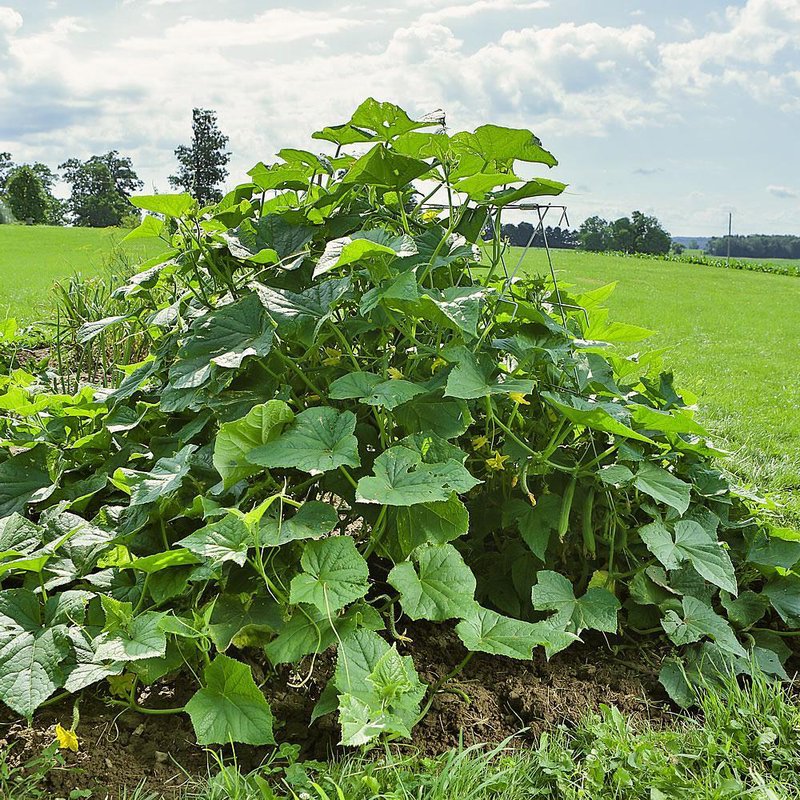
Learn to think vertically. A trellis down the middle of a garden row can double or triple what’s grown in that row, though be careful of blocking sunshine with taller plants (orient your rows north to south to take full advantage of east-west sun from both sides). Trellising everything from pole beans and peas to fruit trees and melons will free up critical center spaces for plants that need beds. Bean towers are specifically designed for climbing beans or peas, and an A-frame trellis beautifully handles cucumbers and squash. Low-growing plants such as radishes, lettuces, and even carrots or other root crops, can be cleverly grown in vertical arrangements of pots or boxes. “Pyramids” are another popular choice for backyard gardens – they’re excellent for strawberries, salad greens, and herbs. Hanging pots and elevated garden beds all have their place in the backyard.
Because backyard gardens don’t have room for large-scale implements like a tractor or even a rototiller, having a collection of medium-scale hand tools is helpful. For tilling, consider the rotary cultivator, a garden weasel, or a spintiller cultivator. For planting, try a garden dibble or a corn planter. For weeding, some options include a push-pull hoe, the multi-purpose “weedivator,” or (my favorite) the humble dandelion weeder.
Armed with your “paper garden” in advance, don’t be surprised if your backyard space-efficient garden produces enough fruits and vegetables to keep you canning and preserving throughout the fall. There’s no greater satisfaction than preserving the fruits of your labors.


0 Comments