
 Emergency Supplies
 Water Pumps
 Storage & Serving
 Cleaning
 Cast Iron
 Baking Supplies
 Canning
 USA Made
 Amish Made
 Order Catalog

If you’ve been lusting after your neighbor’s luscious tomatoes and string beans, make this the year you’ll grow your own. Or maybe you’re concerned about the loss of butterfly habitats and want to plant flowers that support the winged beauties. Maybe you’d just like to cut a nice bouquet from your garden. Now’s the time to gear up for your spring garden.
If you’ve never gardened, avoid jumping in trying to grow everything from seed. First-timers are more likely to succeed if you buy transplants. Here are some garden basics and tips bound to make you successful… even if you’ve never dirtied your hands in a garden.
Where to Plant a Garden
Most flowering plants, including vegetables, need at least 8 hours of direct sun a day. Lettuces, spinach, and other greens tolerate 4 to 6 hours of direct sun. If possible, position the garden to run east-west so you can take advantage of the south sun exposure. Avoid areas with tree roots, poor drainage, and sidewalks. No dirt to dig in? Container gardens and raised beds will fill the bill on a sunny patio or balcony. Make sure there’s an outdoor spigot nearby so you can water the garden.
Size Matters
Start small. Avoid the tendency to have a huge garden, especially if this is your first one. An 8 to 10-square foot plot is a good starting size for a family of four.
Keep the bed or row about 3 feet wide. This will allow you to reach the center from each side to harvest vegetables or flowers without walking on the bed.
Estimate Plant Size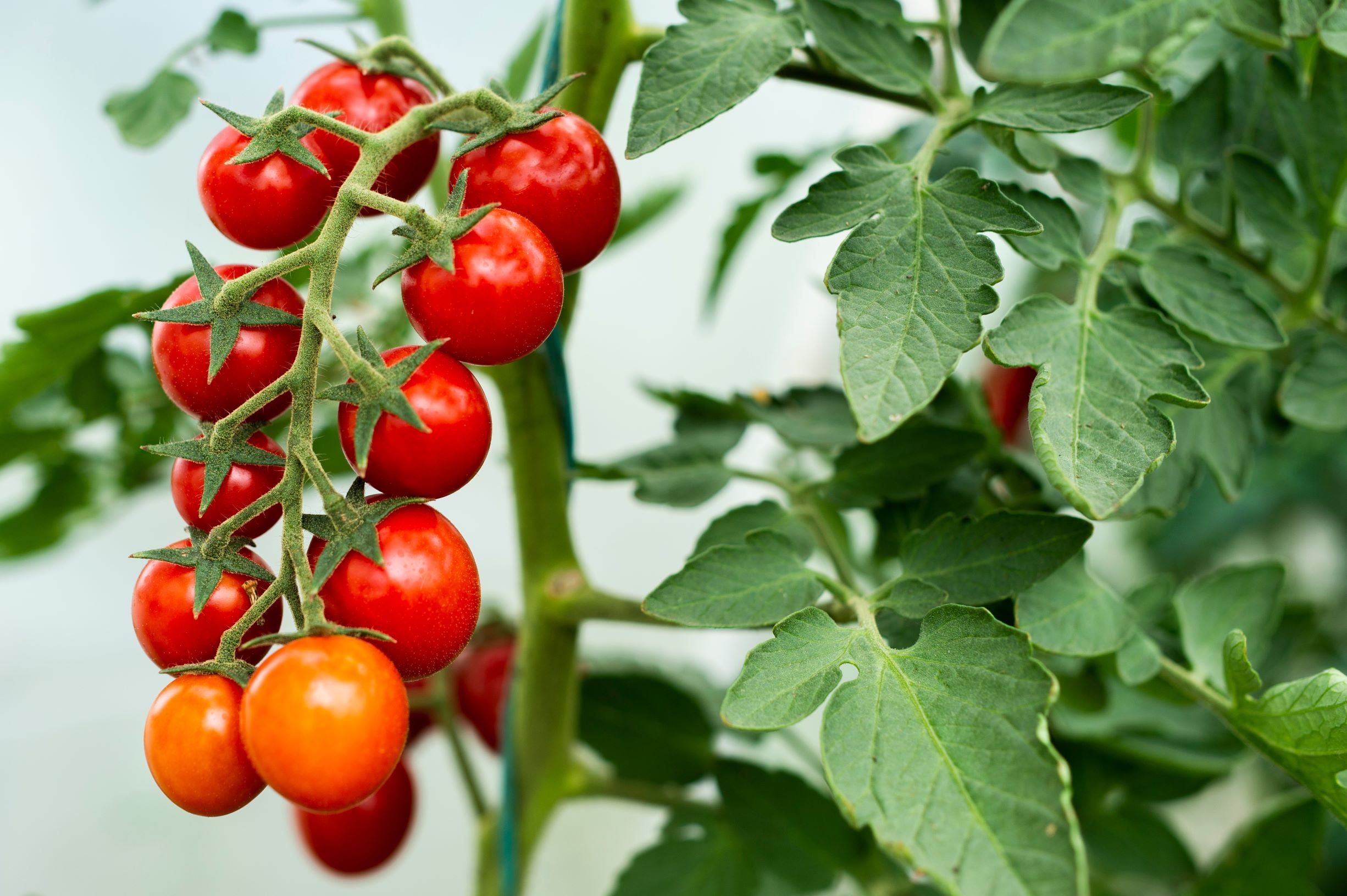
Tomato, pepper, eggplant, and cabbage add the colors you’ll want to keep your garden interesting. They’ll need about a square foot for each plant. Growing plants “up” is a good practice for small urban gardens.
- Stake tomatoes and peppers.
- Allow squash to vine under neighboring plants.
- Grow lettuces close together. The seeds can be planted under taller plants like tomatoes and peppers.
- Grow peas, green beans, and cucumbers on trellises, stakes, fencing.
Tools You’ll Need
Purchase the best digging tools you can afford. Spades or shovels are useful for digging holes for trees and shrubs and digging garden beds. Other must-haves include:
- Gardening gloves
- Hand pruners
- Metal trowel or garden dibble
- Hoe
- Garden hose with a nozzle
- Watering can
Prepping the Soil
Tilling will help break up the clumps (be sure to check for utility lines before you start). You may have to add fertilizer or compost for the necessary nutrients. You can always send a soil sample to your local extension office. They’ll give you the results and advice on what kind and how much fertilizer you need to add.
Dig the garden about 10 or 12 inches deep. Turn over the soil and break up any clumps.
Add compost or rotted manure to the soil surface and lightly churn it, then let the solid settle a day or so before planting.
Seeds or transplants?
Cucumbers, lettuce, radishes, and peas are easy to grow by sowing seed directly in the garden and some, like strawberries, peppers, and tomatoes are easier when planted as transplants. You’ll find the transplants at your local garden center in early spring.
Flower Gardens
A surefire way to attract butterflies and other pollinators to your yard is to plant a flower bed. Annuals that attract butterflies include:
- Cosmos
- Marigolds
- Petunias
- Salvia
- Zinnia
Perennials may be a better bet since they’ll return every year. The top five perennials for butterflies are:
- Aster
- Black-eyed Susan
- Butterfly weed
- Coneflower
- Coreopsis
Make it a Family Affair
Don’t think of gardening as work, but rather something to help you enjoy the outdoors. Getting the kids involved helps get them off their screens and into the fresh air. Planting vegetables together is also a way to get them to eat healthier. Kids like eating what they grow, and sharing it with the rest of the family.


0 Comments