
 Emergency Supplies
 Water Pumps
 Storage & Serving
 Cleaning
 Cast Iron
 Baking Supplies
 Canning
 USA Made
 Amish Made
 Order Catalog

There’s no sugarcoating it. Paper towels are something you pay good money for, and then throw away.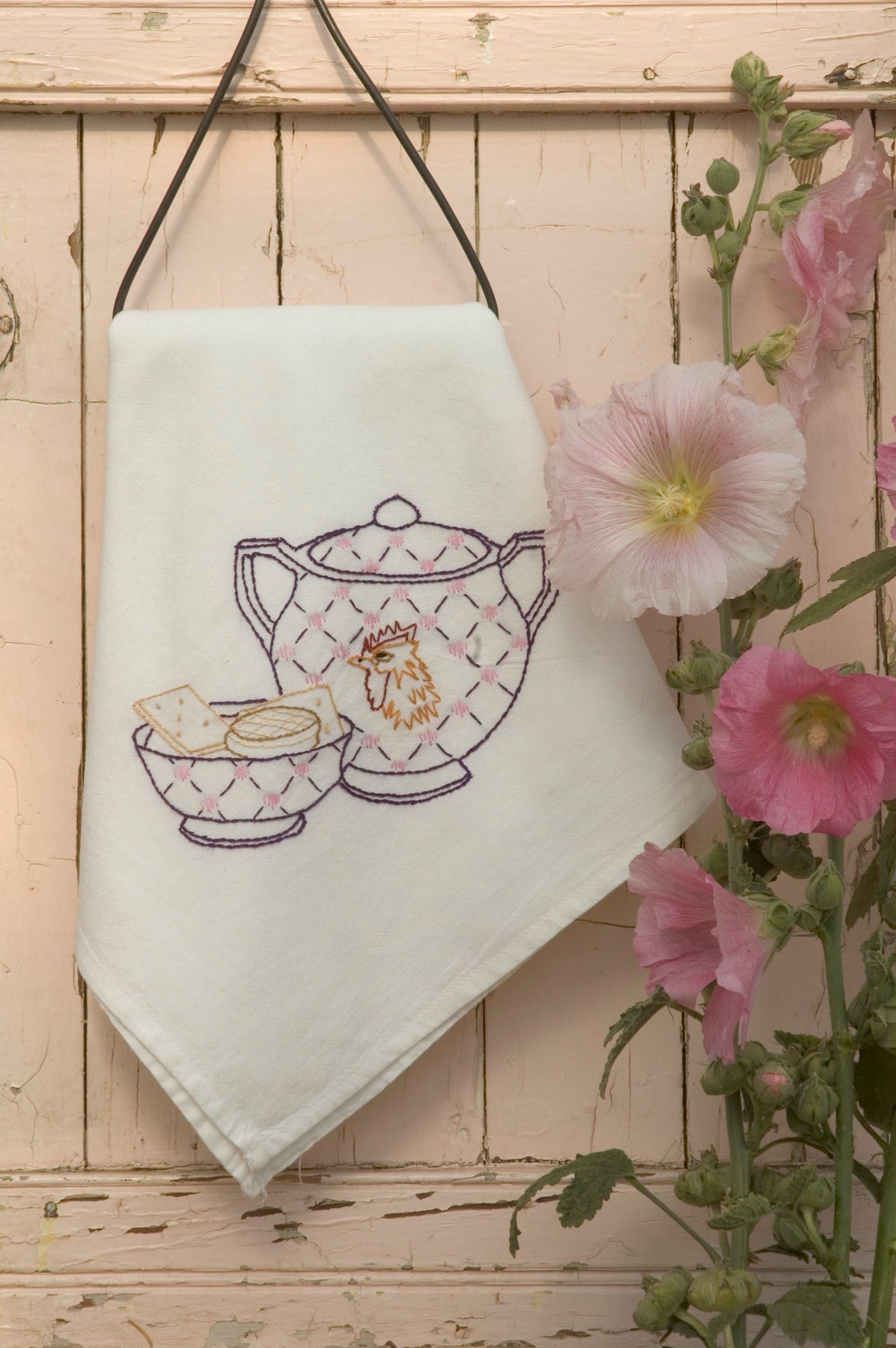
Sure, they’re convenient. Sure, it’s nice to have the “icky” things in life out of sight and out of mind (though they’re certainly not out of existence). Sure, using cloth instead of paper means a small increase in the amount of wash water and soap we consume. But let’s give ourselves that reality check: Paper towels are a monumental waste of resources, materials and energy.
Most paper towels are made from fresh trees, meaning they’re cut down with the sole purpose of getting that disposable roll into your kitchen. But the problem doesn’t end there — most paper towels are bleached and processed with chemicals and dyes that will eventually make their way into your home. Of course, production and packaging happens in factories that spew this pollution into the air and water. Then the rolls make their way onto trucks that travel thousands of miles and use jaw-dropping quantities of fuel. Paper towels are also difficult and potentially hazardous to recycle, so most cities simply won’t.
All this for a mere moment of utility, and then … into the trash.
This simply isn’t the case for cloth. Your rags will be with you for years, through thick and thin … and gross and wet and smelly. They’re easy enough to wash with a spin in the machine, a good deal tougher than paper, and much more comfortable on your face and hands. Can you imagine how much cleaner your toddlers would be if they were given a warm, moist cloth at the dinner table instead of an inadequate paper square? Ditto for cleaning muddy-pawed pets, cooked-on stove messes, mysteriously sticky floors, and just about everything else life throws at you.
Getting started with cloth is easy enough — all you’ll need are enough replacement rags to fill a wash load and have a few leftover. This should help to keep you from relapsing, and lets you wash your icky rags by themselves without wasting water or detergent. Skip the fabric softener to keep your rags’ “suck-up” power intact. A cup of white vinegar in the rinse cycle will boost brightness, strip buildup and help to disinfect. If you’d like to have different kinds of cloth for different purposes, try color-coding them — everyone in the family should be able to keep the system straight. And with attractive baskets on hand for the cleans and the dirties, you won’t have to sacrifice your kitchen’s good looks.
The cloths you choose for the all-important task of replacing your paper towels need not be expensive or fancy. In fact, you could easily make them yourself by purchasing, cutting, and hemming a few 100% cotton bolts from the fabric store. Make them the same size as paper towels and you’ll practically trick yourself into using them. You can also knit dishcloths from scrap fiber — there are plenty of free patterns to be found online. But the best and greenest idea yet is also the simplest: Wrench open those drawers packed with unwanted T-shirts, cut them into squares and voila! You’ve decluttered, recycled and switched over to cloth … for free.
Of course, if you’re not keen on making your own rags or you don’t have stacks of T-shirts clogging your life (lucky), there are plenty of ready-made alternatives. Try vintage dishtowels, auto shammies or cloth diapers that are no longer on, er, active duty. Many women also sell their homemade paper towel replacers in a wide variety of designs, colors, sizes and materials on etsy.com.
If you feel unsure about making the switch from paper towels, do it gradually — but do it. It’s best to start small than not at all. Tell yourself you’ll try it out for a week and see what happens. If fear is what’s holding you back, keep that roll on hand as your security blanket. Just hide it out of sight so it’s not the easy choice. After all, you may believe that NO paper toweling is too much to ask of your household — but FEWER is something that we can all do.
For editorial questions, please contact Clint Hooker at chooker@amuniversal.com.
COPYRIGHT 2011 MaryJane Butters
DISTRIBUTED BY UNIVERSAL UCLICK FOR UFS
1130 Walnut St., Kansas City, Mo. 64106; (816) 581-7500


0 Comments