
 Emergency Supplies
 Water Pumps
 Storage & Serving
 Cleaning
 Cast Iron
 Baking Supplies
 Canning
 USA Made
 Amish Made
 Order Catalog

As grocery prices continue to rise, we anticipate another wave of new gardeners poised to dig in and try growing some backyard veggies. If you are among that group of new gardeners, here are some tips to grow your own food and to make your venture successful as you seek to feed your family in a healthy and economical way.
1. Choose a wise garden space.
Soil is your most important asset so if possible, select an area that previously had a garden or flower bed or consider an area of lawn with good drainage. Near to your house, at least 6 hours/day of sun exposure and reasonable soil structure are other key points to consider. If your yard only offers heavy clay in a soggy area, then opt for raised beds where you make your own soil blend from peat moss, vermiculite and compost or research the lasagna garden method.
Create a size that you can realistically care for without getting overwhelmed. A well-tended small garden can be very productive. Many places suggest growing in patio pots, but I don’t recommend that as the first choice for a beginning gardener due to high maintenance for watering and fertilizing.
2. Learn the difference between cool season and warm season veggies.
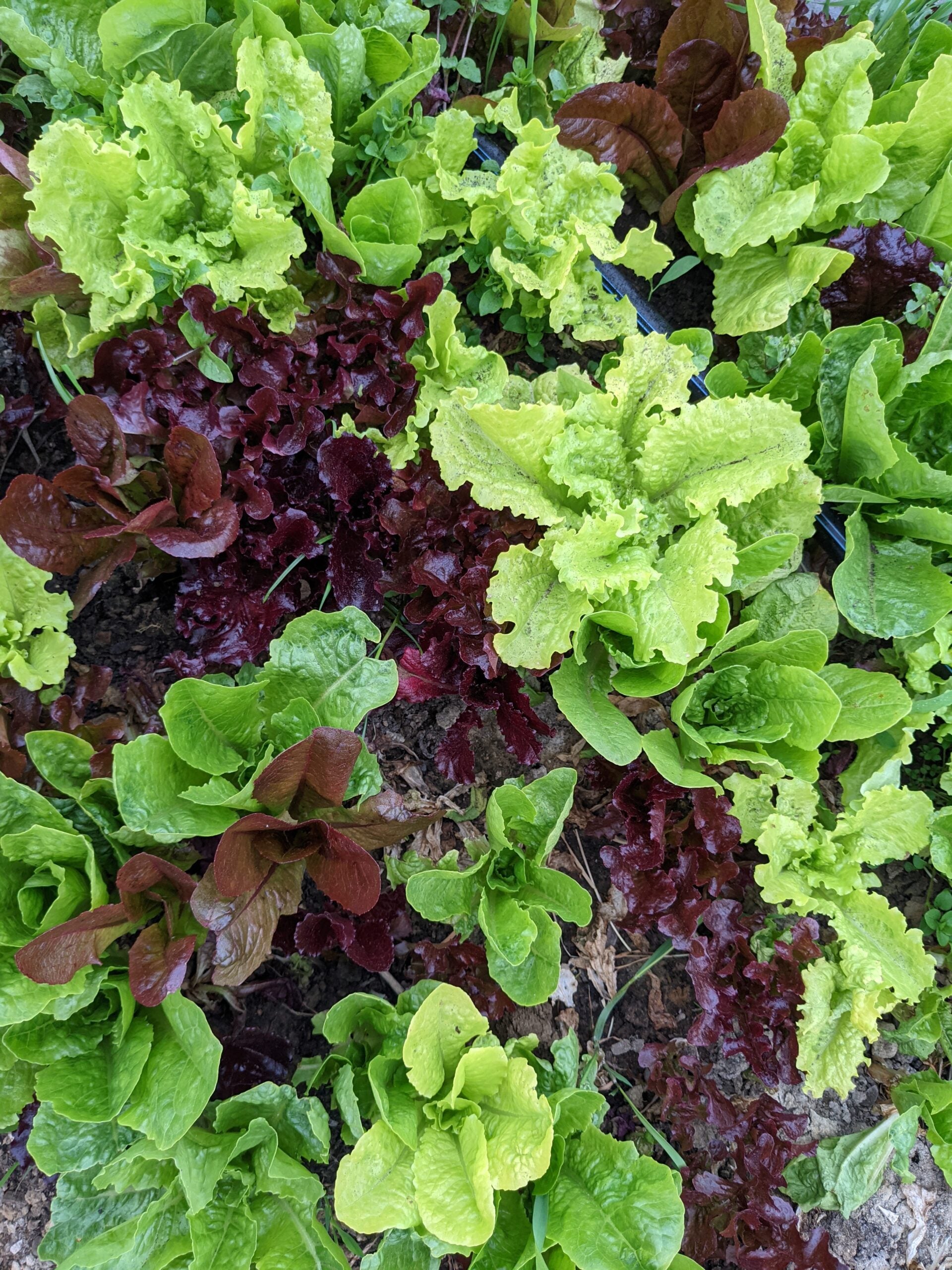
Cool season veggies include lettuce, spinach, radishes, onions, carrots, beets, peas, broccoli, cabbage and more. These cold hardy crops can be planted in April (Ohio Zone 6a) or 4-5 weeks before your last frost date. Warm season crops need to wait to go in the ground till the danger of frost is over, about May 15 in our zone, and include classic summer veggies like tomatoes, peppers, beans, corn, basil, zucchini, cucumbers and melons. If you are ambitious, you can plant another round of cool season veggies late summer for a productive fall garden. Use an extra calendar to mark target planting dates and keep notes for future seasons.
3. Research the needs of each crop.
Is it cool season or warm season? Do you start with a seed, plant or tuber? What about spacing and depth for planting, special fertilizer needs, and harvesting? Does it need a trellis or cage?
If you are brand new to gardening, choose just 3-4 crops per season and keep a notebook with information. YouTube videos are a great resource if you are a visual learner.
4. Commit to regular garden maintenance.
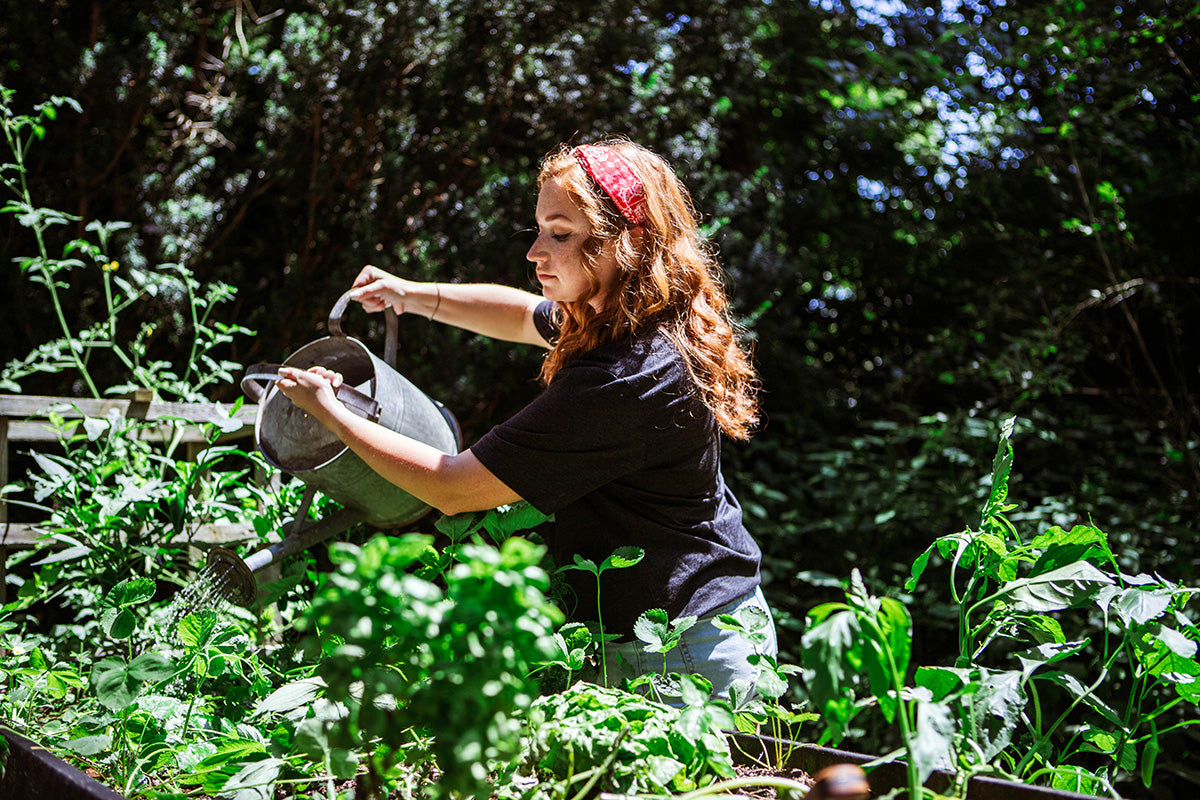
Enthusiasm at planting time needs to continue with frequent times of keeping weeds under control and monitoring for disease or insect damage. A few quality tools like a hoe and trowel make the weeding task more enjoyable. My favorite weed strategy is to use mulch such as newspaper or cardboard covered in old hay or leaves. The mulch suppresses the weeds, conserves moisture and adds organic matter to the soil.
5. Find a garden mentor.
Gardeners are generous folks and love to talk about their craft. Find an older or more experienced gardener who would love to share ideas with you, and they might even pass on extra seeds, seedlings and produce. This year I am intentionally growing extra seedlings to pass out to my young garden friends. The first round of lettuce and broccoli seedlings is almost ready to share.
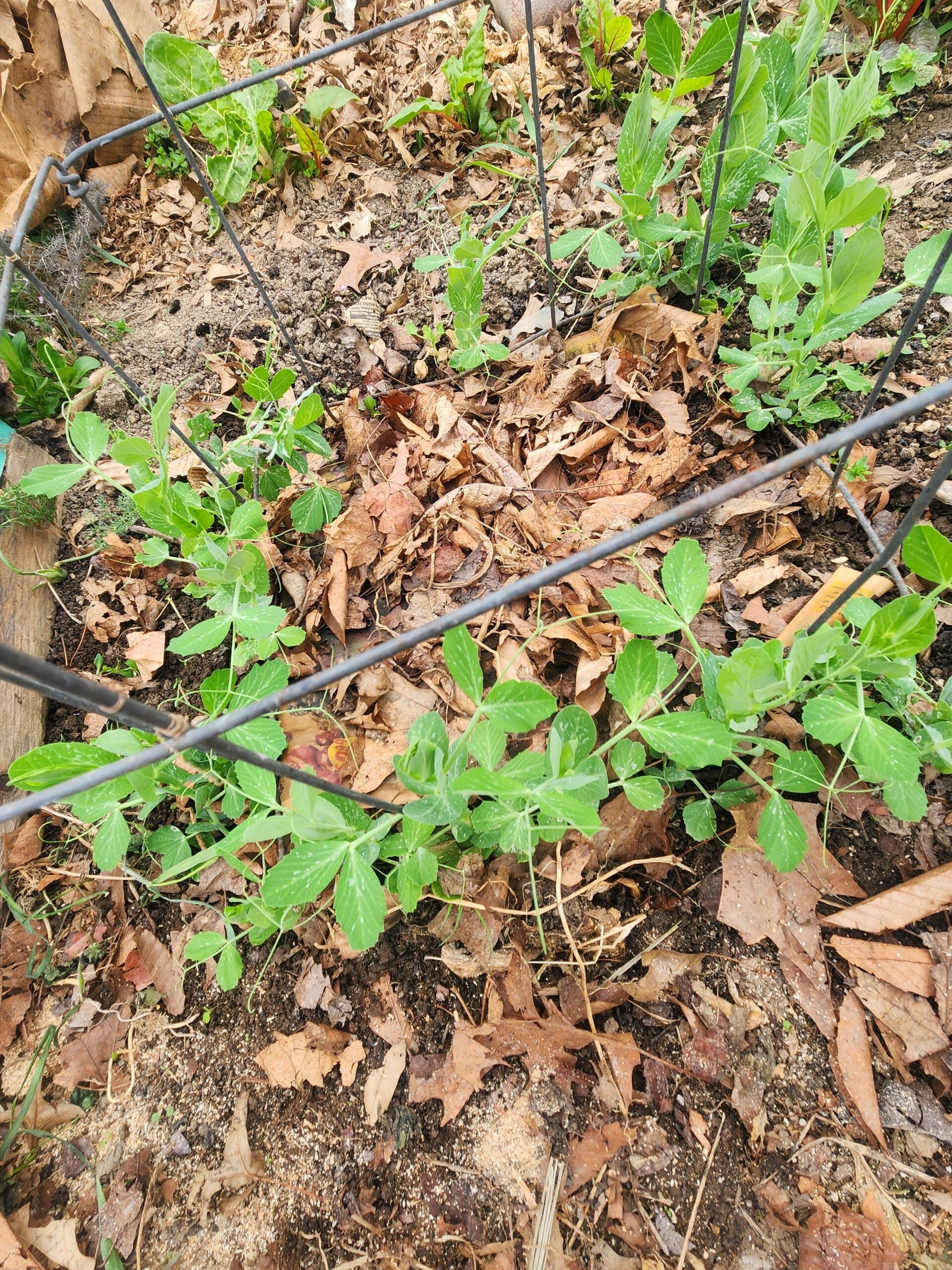
What do these suggestions look like in real life? Here is how I would utilize a 4’x8’ area (raised bed, flower bed or lawn area) as a new gardener. If my family enjoys salad, I would choose to plant spring crops of lettuce (transplants from garden center), radishes (from seed), onions (from sets) and sugar snap peas (from seed grown up a trellis like a tomato cage.) At planting time, add compost to each row or hole for extra fertility. Once some of the early crops are harvested, I would add summer crops in the empty spaces. One example is two tomatoes and two peppers (both as transplants from a garden center, add a cage or stake to the tomatoes), a zucchini plant and a few basil plants (both purchased from a garden center.) In late summer, I would tuck in some lettuce plants, plant a row of spinach or spicy greens and plant radishes for tasty fall salads. The fall crops can all be direct sown as seeds. During the season, be sure to invite a gardening friend to visit and offer suggestions. Experienced folks can see things that beginners easily miss.
Once you are successful with a tiny area, you can enlarge your growing footprint and explore new crops. Each soil type will be friendly to some crops and disappointing for others, take notes and grow what works. As with anything new, manageable small steps can build up to future big results. Happy gardening!


0 Comments