
 Emergency Supplies
 Water Pumps
 Storage & Serving
 Cleaning
 Cast Iron
 Baking Supplies
 Canning
 USA Made
 Amish Made
 Order Catalog

 Has anyone ever measured the garbage output of the average Amish family? There’s no need. They already create far less trash than the average American family.
Why? Because the Amish lifestyle is the ultimate in low-impact zero-waste living.
Waste in America
According to the EPA, the average American makes about 4.5 pounds of trash per person per day, or about 1600 pounds per year. Multiply these figures by the number of people in our nation and you can understand the problem. A huge percentage of trash comes from two sources: convenience food packaging and disposable products. (For a more accurate analysis of your particular waste output, you need to do a trash audit.)
But it’s not necessary to live like an “average American.” A satisfying and low-impact alternative is to strive toward a zero-waste lifestyle.
A zero-waste lifestyle is just that: making choices that produce as little garbage as possible. The movement is based on Bea Johnson’s five principles defined on her blog, Zero Waste Home: Refuse, Reduce, Reuse, Recycle, Rot (and only in that order):
• Refuse what do you not need
• Reduce what you do need
• Reuse (stop using disposable items)
• Recycle what you cannot refuse, reduce, or reuse
• Rot (compost) the rest
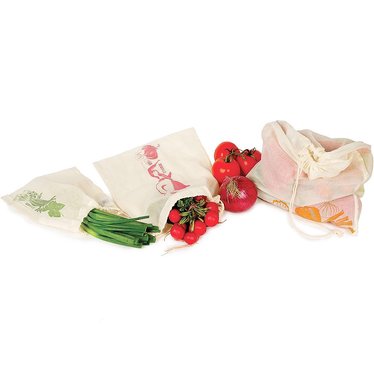
When it comes to food, this means choosing fresh, unpackaged ingredients and cooking meals from scratch. It means sitting down to a table with real plates, using metal cutlery and cloth napkins rather than paper plates, plastic forks, and paper napkins.
Products to Help You Live Waste Free
There is a wonderful array of reusable products available to help reduce your waste. Here are a few items that are easy substitutions for common waste-producing household goods.
- Old-Fashioned Razors – instead of disposable razors
- Dish Cloths – instead of paper towels
- Cloth Napkins – instead of paper napkins
- Cloth Grocery Bags – instead of plastic bags
- Stainless Steel Sandwich Boxes – instead of plastic sandwich bags
- Reusable Canning Lids – instead of disposable canning lids
- Tea Strainers and Coffee Presses – instead of tea bags and disposable coffee filters
Making small, everyday changes can contribute to a more sustainable way of life.
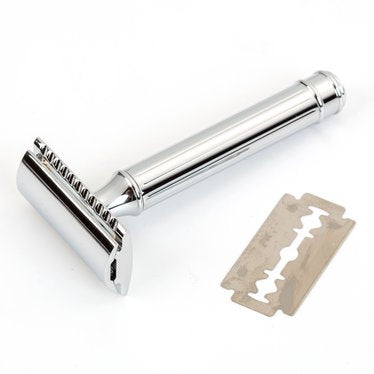
Adopting a zero-waste lifestyle is fun, challenging, and satisfying. Farmer’s markets with their fresh, unpackaged produce become more appealing than grocery stores where everything is wrapped in plastic. Cloth handkerchiefs and insulated canteens become classier, more stylish options than disposable tissues and throwaway water bottles.
The delightful thing about a zero-waste lifestyle is how inexpensive it is. Initially it might cost more to purchase a reusable item, but then it’s good for years of use. Compare that to the wasteful habit of purchasing and discarding the same items day after day – coffee cups, napkins, water bottles, paper towels. Fresh foods are less expensive and healthier than processed foods, and the waste can be easily composted.

Depending on who you ask, the average American spends from hundreds to thousands of dollars on throwaway products per year. If only a fraction of that amount was spent on reusable versions, our national garbage output would drop like a rock.
To try a zero-waste lifestyle, start with the easiest changes to your previously wasteful habits and see how fast those changes snowball into more engaged activities. You’ll find how pleasing and satisfying it is to see your garbage can stay empty, week after week.


0 Comments