
 Emergency Supplies
 Water Pumps
 Storage & Serving
 Cleaning
 Cast Iron
 Baking Supplies
 Canning
 USA Made
 Amish Made
 Order Catalog

Once a year, we pay our homeowner’s insurance bill. It’s worth it.
Once a month, we pay our health insurance bill. It’s worth it.
Whenever we drive anywhere, we fasten our seatbelt as a form of safety insurance. It’s worth it.
Insurance is a part of modern life, and it makes things immeasurably better if tragedy strikes. We all know someone whose life was saved after a car accident because they were “insured” through the proper use of their seatbelt. Some friends who lost their home in a fast-moving wildfire a few years back are now living in a newly built home thanks to their insurance coverage.
But for some reason, whenever people hear anything about “emergency preparedness,” they automatically equate the subject with dodging zombies or bugging out to the woods. Both are impossibly unlikely scenarios, but they’re urban myths that won’t die.
What if, instead, we view preparedness simply as a form of insurance?
When we preserve the produce from our summer garden for eating in the winter, it’s simply a form of insurance for when the weather won’t permit a trip to the grocery store. 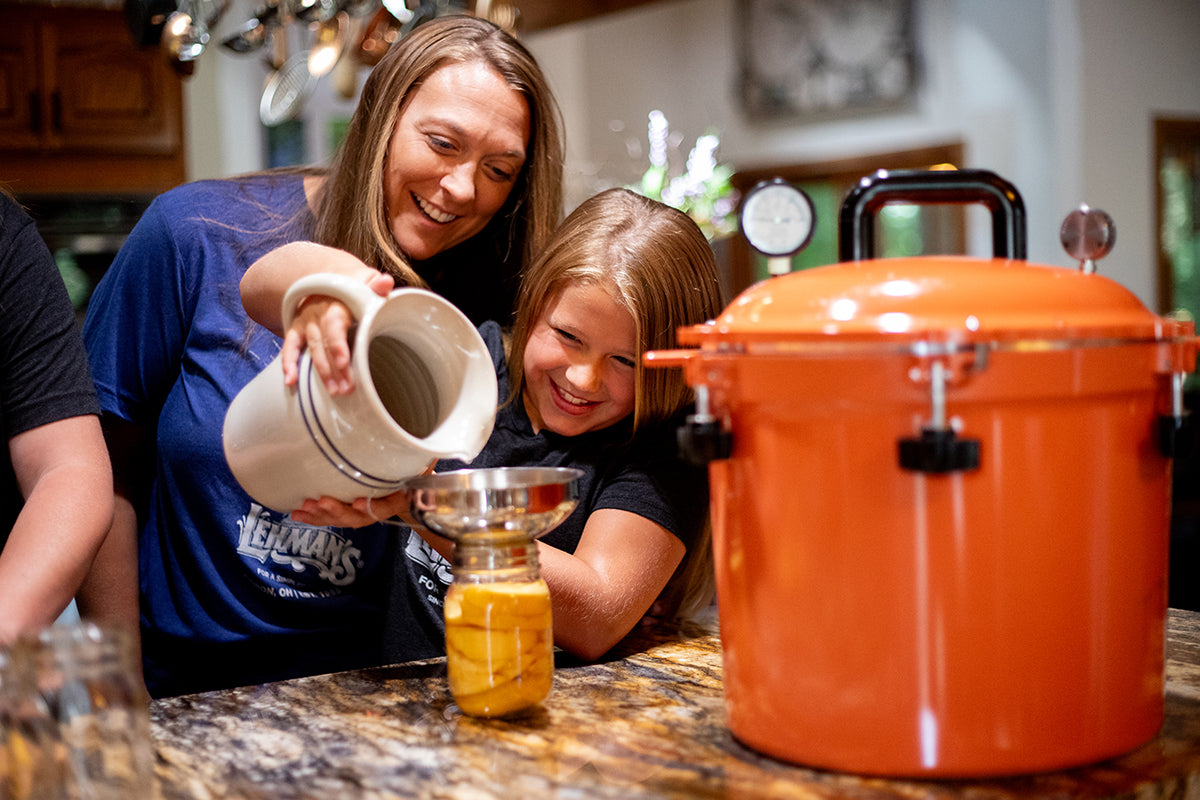 When we keep kerosene lamps and matches handy, it’s simply a form of insurance for when the power goes out. When we stack firewood to use in our wood cookstove during the winter, it’s simply a form of insurance to make sure we don’t freeze.
In preparedness circles, there’s a saying: “Three is two, two is one, one is none.” If you have only ONE way to do something (obtain water, see at night, heat your home, feed your family), then if that ONE method fails, you’re left thirsty, stumbling, cold, and hungry. Two methods of providing these necessities are better; three is better still.
That’s why we have three ways to see at night: electric lights, oil lamps, and battery lanterns. Our water is provided by an electric well pump; we also have a tank capturing roof runoff and a hand pump for the well. We freeze surplus food, but we have a deep pantry with home-canned and home-dehydrated food as well. We have multiple ways to do laundry, attend hygiene needs, and heat our home.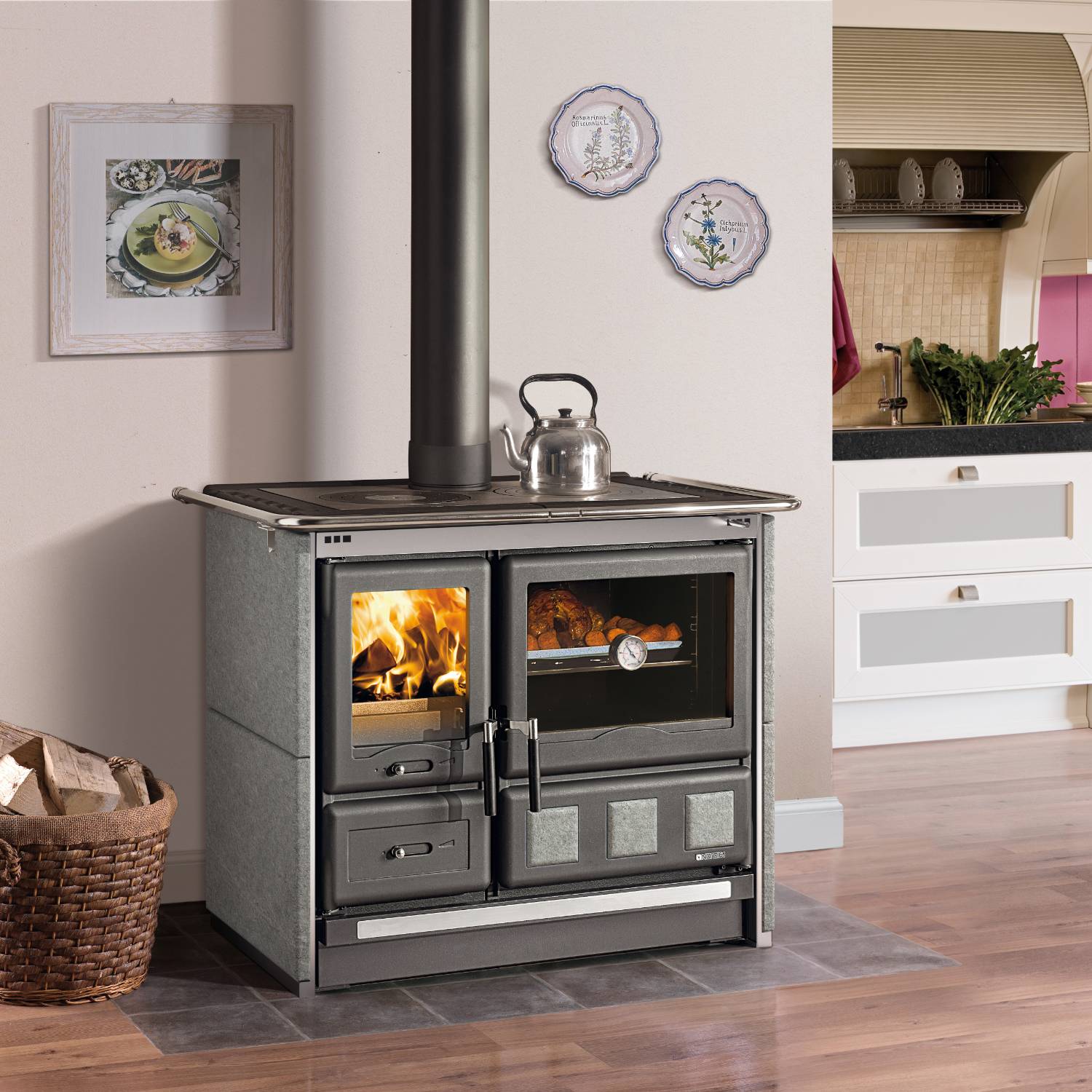
In exactly none of these cases are we preparing to dodge zombies or bug out to the woods. Instead, we’ve adopted a prepared lifestyle because it’s challenging, enjoyable, and brings peace of mind. It is, literally, insurance. That’s all.
It’s easy to question why someone would ever bother to churn their own butter or grind their own wheat, especially when such things are easily available at any grocery store. What if the world never falls apart, skeptics may ask?
To which we reply, who cares? Canning corn or dehydrating peaches or milking cows or planting garlic is not just for emergency preparedness; it’s a way of life that brings peace of mind. It’s calming, satisfying, and useful.
Approached from this perspective, a prepared lifestyle is no more radical than wearing a seatbelt or having health insurance. It’s not needed until it’s needed. As the saying goes, it’s far better to have something and not need it, than need something and not have it.
Happy Preparedness Month.


0 Comments