
 Emergency Supplies
 Water Pumps
 Storage & Serving
 Cleaning
 Cast Iron
 Baking Supplies
 Canning
 USA Made
 Amish Made
 Order Catalog

Many years ago I had a discussion with some friends about how I learned to make butter using cream from our cow. It was an enthusiastic conversation on my part because I was so excited to learn something new and do things by hand.
At the end of the detailed recital, the husband asked, “But you won’t be doing this again, right? After all, it’s a lot easier just to buy butter.”
He’s right. It’s much easier just to buy butter. But the fact is, now I know how to make butter. Whenever our cows give too much cream, I know what to do with it. Over the years I’ve made butter dozens and dozens of times. It’s a component of our diet for which I know every last step – the health of the cow, how her calf is treated, how the cream is handled. From start to finish, the “chain of custody” for that butter never leaves our farm.
In a nutshell, therein lay the difference between a do-it-yourself attitude verses the convenience of buying.
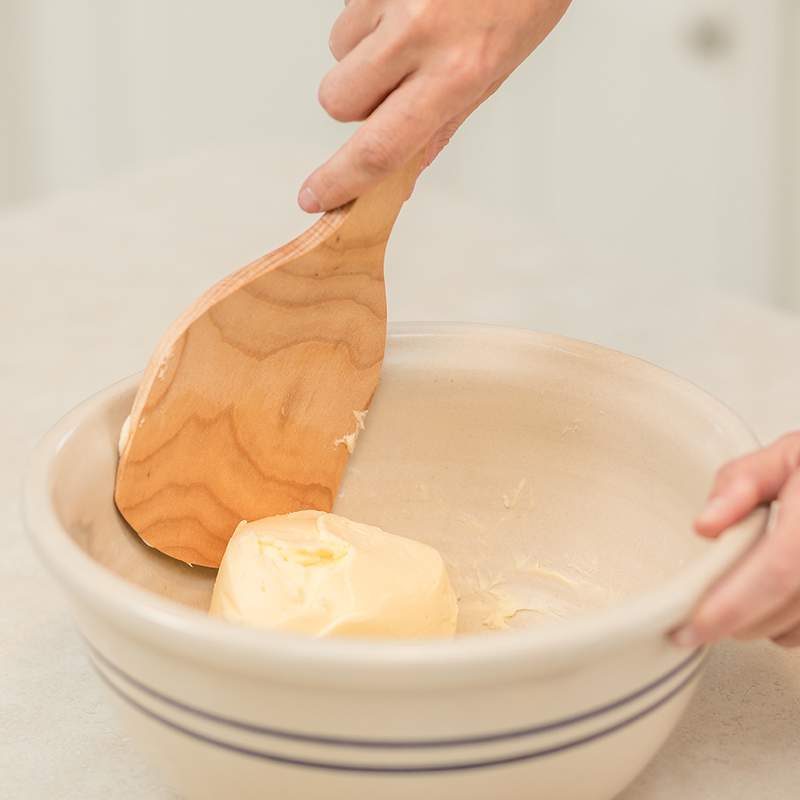
This isn’t to say making butter was a fail-free experience. It took me a while to get the hang of things: the right temperature for the cream to most easily grain; how to wash the fresh butter properly; how to squeeze every last bit of water out so the butter wouldn’t go rancid. But now that I’ve ironed out the kinks, I’ll never have to buy again as long as our cow is giving enough cream.
Doing things by hand offers endless benefits. It offers an appreciation for the proficiency involved and an understanding of how the item fits into the grand scale of things. Most importantly, it creates the knowledge of how to make a finished product from raw ingredients. Doing something yourself means you will always possess the necessary skills, including what went right and what went wrong. It’s a win-win-win situation.
None if this is possible if you hire out the skills to someone else, or purchase the convenience of a ready-made product.
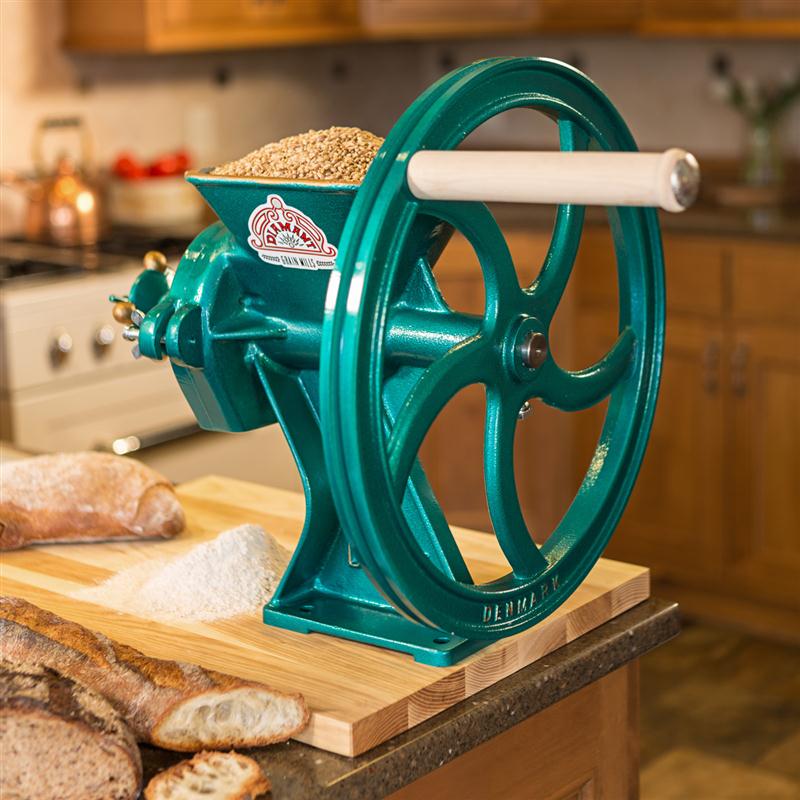
Sometimes taking a do-it-yourself journey means learning what tools you may lack in the process. Until we grew wheat from start to finish – including scything, shocking, threshing, winnowing, and grinding – we could not appreciate all it takes to put bread on the table, nor the benefits of certain hand-powered tools such as a scythe (and sharpener), treadle thresher, and grain grinder that makes the task much easier.
The homesteading lifestyle is often a sum total of two things: skills and tools. Without the skills, the tools are pointless. Without the tools, skills can only go so far. Neither skills nor knowledge is possible without a do-it-yourself attitude, a willingness to experiment, and a tolerance for failure.
Do-it-yourself options aren’t always cheaper. It costs money to build the infrastructure to keep a cow to get the cream to make the butter – a lot more money than simply buying butter at the store. But now that we have the infrastructure to keep the cow, we get many tangible and intangible benefits – dairy products, compost for our garden, the pleasure of keeping a cow, and the knowledge of where our food comes from. We also have the satisfaction of mastering new skills, the important lessons of failure, and the pride of success. These benefits are more valuable than the price of store-bought butter.
Seems like money well spent to me.
Editor’s Note: This article was first posted in July 2021.


0 Comments