
 Emergency Supplies
 Water Pumps
 Storage & Serving
 Cleaning
 Cast Iron
 Baking Supplies
 Canning
 USA Made
 Amish Made
 Order Catalog

I arrived at my Texas farm in September, in time to see in a fall season’s plantings in the Community Supported Agriculture garden. This was novel enough for me, coming from much further north where planting tends to end in the summer or maybe early fall, but certainly not in November. But here, we still haven’t had our first frost and it doesn’t seem to be coming up any time soon. Furthermore, here we very rarely have hard frosts—the high teens are the coldest people near Waco ever expect to see. In a winter like this, brassicas, lettuces, and root crops can make it all the way through with little to no protection.
Our Community Supported Agriculture program runs from April through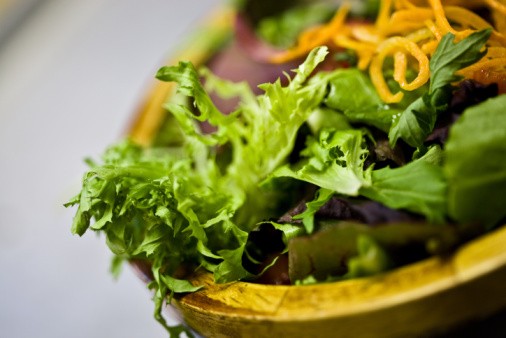 July and then from October through December—that’s right, a break in the summer because of the heat—but I have been told that the only reason we take a break in the winter is for our own rest. If it were up to the vegetables and the weather we could go all year round, planting crops for the weather that suits them of course, but never running dry on harvest.
Then I get to thinking—what about up north? I plan on moving back sometime soon, but now that I will have experienced the glory of four seasons’ harvest, how will I be able to bear those winter months without ready-to-harvest produce in my garden? Luckily this problem is easily solvable. I have yet to use one, but cold frames sound like the solution.
A cold frame is a wind-proof box, probably a foot or so tall, that fits over a row or bed of crops. It can be made with a wooden frame and a glass or clear plastic top. Basically it functions as a miniature greenhouse without any necessity for heating or lighting other than that which the weather naturally gives. A cold frame simply provides shelter from the wind and heavy precipitation and creates an insulated microclimate for the plants it covers. Soil soaks up heat from the sun’s light during the day, and radiates it back to the plants at night. That makes for only a few degrees difference between the outside world and the insulated cold frame, but a few degrees can make a big difference, especially when dealing with freezing temperatures.
It’s a little late in the year to plant beets in Texas by conventional wisdom, but since my cold frame revelation, I think I’ll toss some in the ground, whip up a cold frame with some scrap wood and old windows in the barn, and see how they do. I’ll let you know how it goes—if my small experiment is successful, maybe you’ll be inspired to start a few plants in the garden earlier than you had planned this spring!


0 Comments